

By Geena Monahan-For the North Star Reporter
Hundreds of years after travelers first stopped at John Woodcock’s tavern along what is now North Washington Street, visitors returned on Sunday to explore one of North Attleborough’s oldest surviving landmarks.
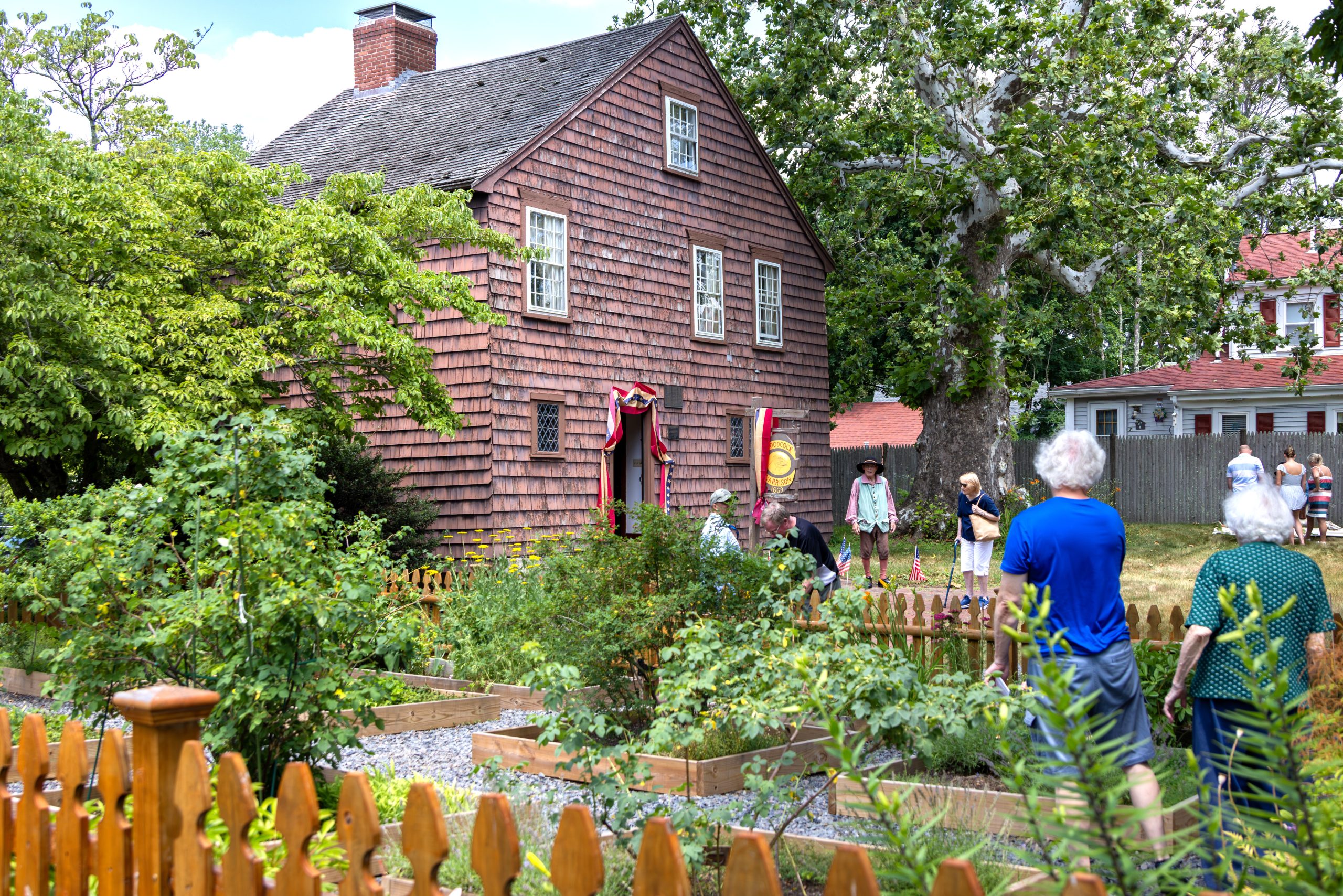
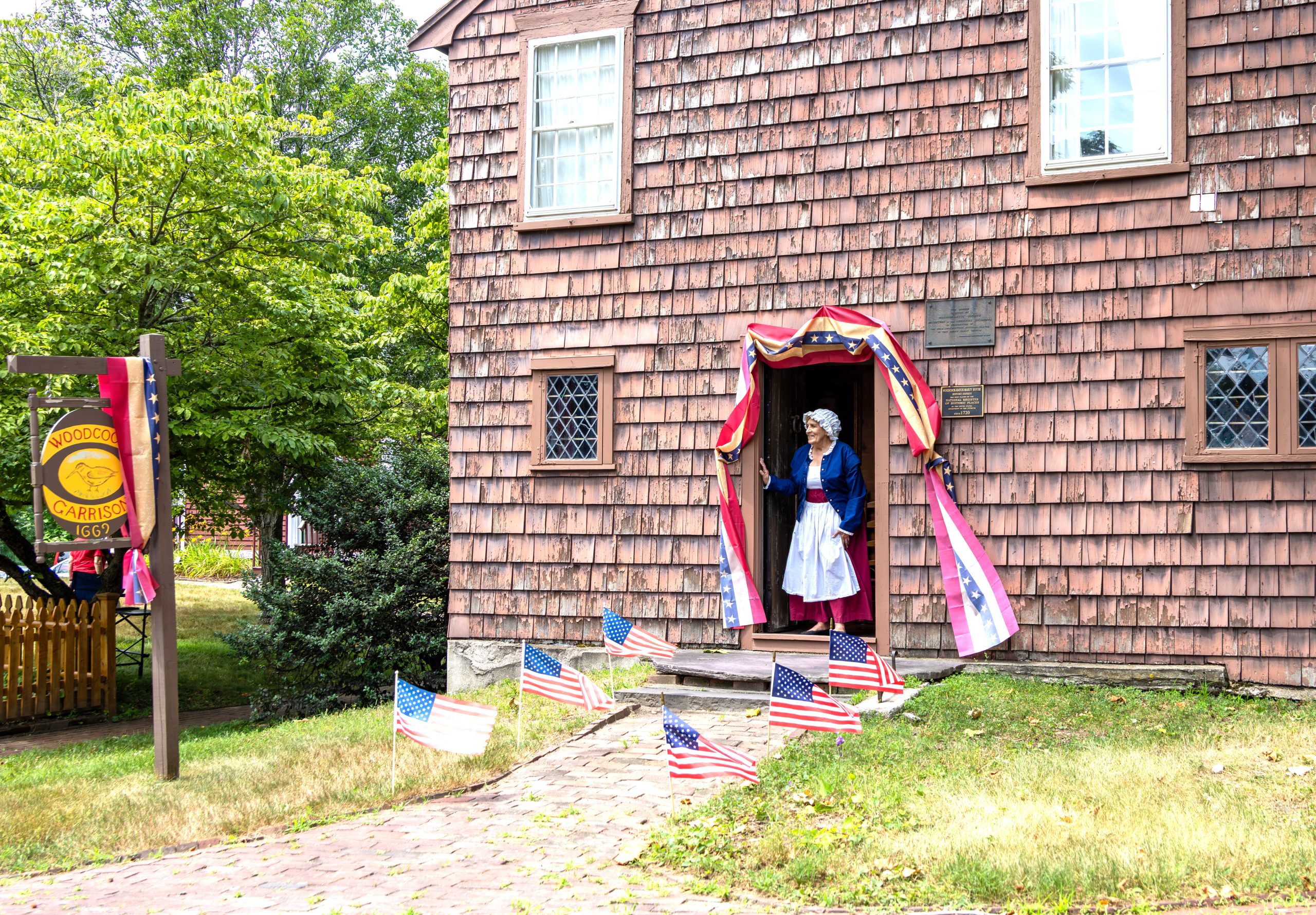
As part of the town’s celebration of the United States’ 250th anniversary, the North Attleborough Historical Society opened the Woodcock Garrison House for guided tours, colonial reenactments and cemetery presentations on July 5, tracing the community’s colonial roots and its connections to the American Revolution.
For Sue Caldwell, co-curator of the Woodcock Garrison House, preserving those stories helps residents better understand how North Attleborough came to be.
“This was part of the reason North Attleborough was here,” Caldwell said. “It was all wilderness, and John Woodcock built the tavern here. It became a central point for wagons and transportation — a place to stay, get food, water the horses and continue traveling.”
According to the National Register of Historic Places, John Woodcock settled the property in 1669 in what was then part of the Rehoboth North Purchase. Located along Bay Road — one of colonial New England’s principal routes between Boston and Rhode Island — his tavern quickly became an important stop for travelers, merchants and soldiers.
The property also served as one of a chain of fortified garrison houses during King Philip’s War in 1675-1676. After Woodcock’s son Nathaniel was killed in an attack in 1676, he was buried across the street in what became the Woodcock Burial Ground.
Built in approximately 1715, the current Woodcock Garrison House is the only surviving Rhode Island-style stone-ender in Massachusetts, according to the National Register. Later owned by the Daggett, Maxcy and Hatch families, it remained a center of civic and military activity throughout the colonial period.
The register credits members of the Maxcy family with helping organize North Baptist Church, serving in local government and using the tavern as a gathering place where militia assembled before marching to Roxbury and Providence during the Revolutionary War. Jonathan Maxcy, born in the house in 1768, later became the second president of Brown University and the first president of the University of South Carolina.
Bringing history to life
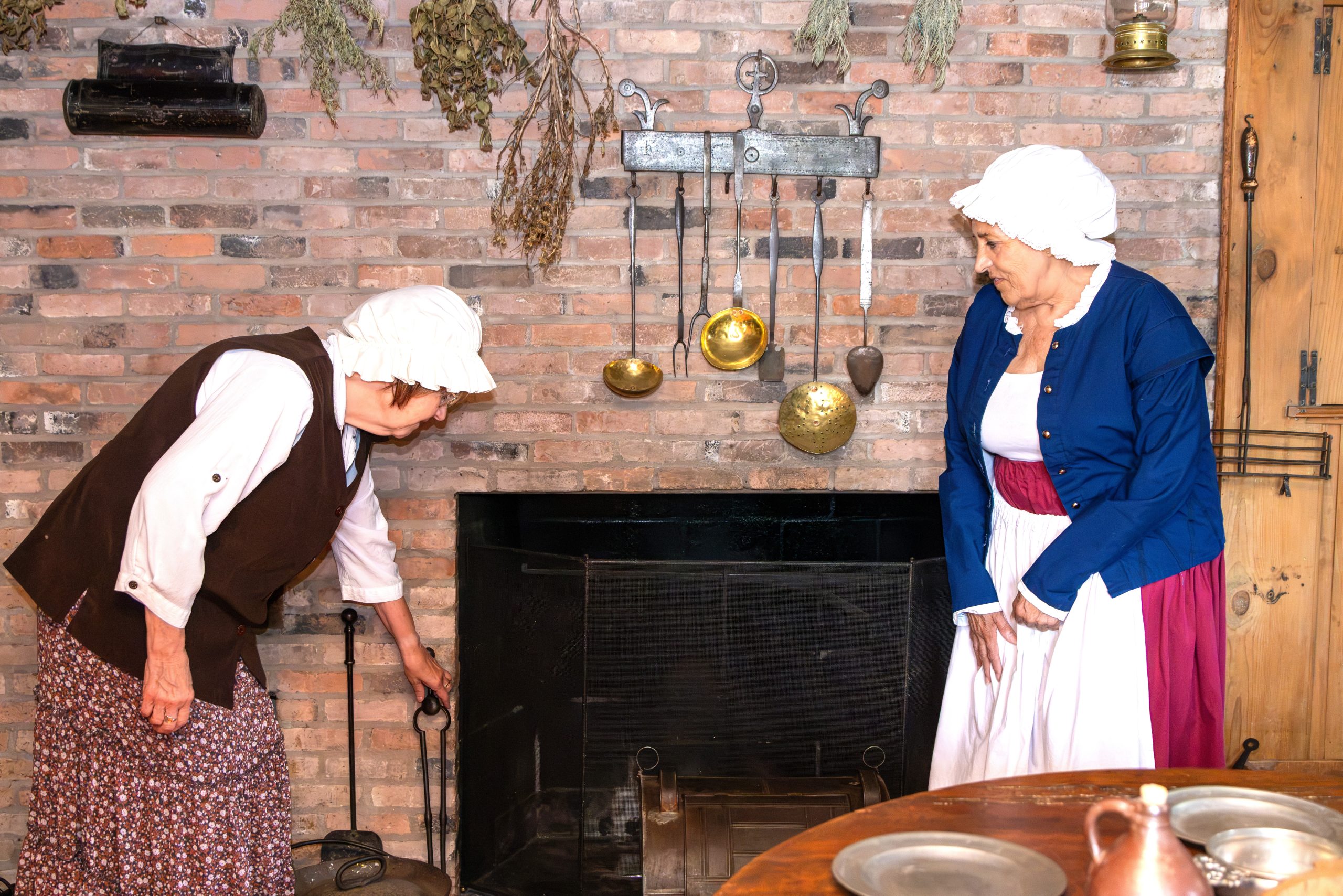
Historical society volunteers transformed the house into a series of living history exhibits, allowing visitors to experience everyday colonial life.
Upstairs, guests learned how families slept on rope beds, relied on chamber pots and made use of simple household furnishings, while another room displayed colonial toys and artifacts. The parlor featured portraits of prominent residents, a replica Revolutionary War officer’s uniform and a model of the Steamboat Hotel built on the property by Col. Israel Hatch before it burned in 1890.
On the second floor, visitors also met George and Martha Washington through a historical reenactment performed by Jerry Kates and Historical Society co-Curator Elaine Paine. Speaking in character as the nation’s first president, Kates reflected on leading the Continental Army through eight years of war before presiding over the Constitutional Convention.
“Our resistance was strong, but our victory was never assured,” he told visitors.
Following the presentation, Paine shared one of the property’s most enduring local stories: George Washington’s stop at Israel Hatch’s tavern during his travels through the area. She said Washington asked Hatch to exchange one of his jeweled knee buckles.
“So, he had the right to say he traded knee buckles with George Washington,” Paine said.
Remembering the past
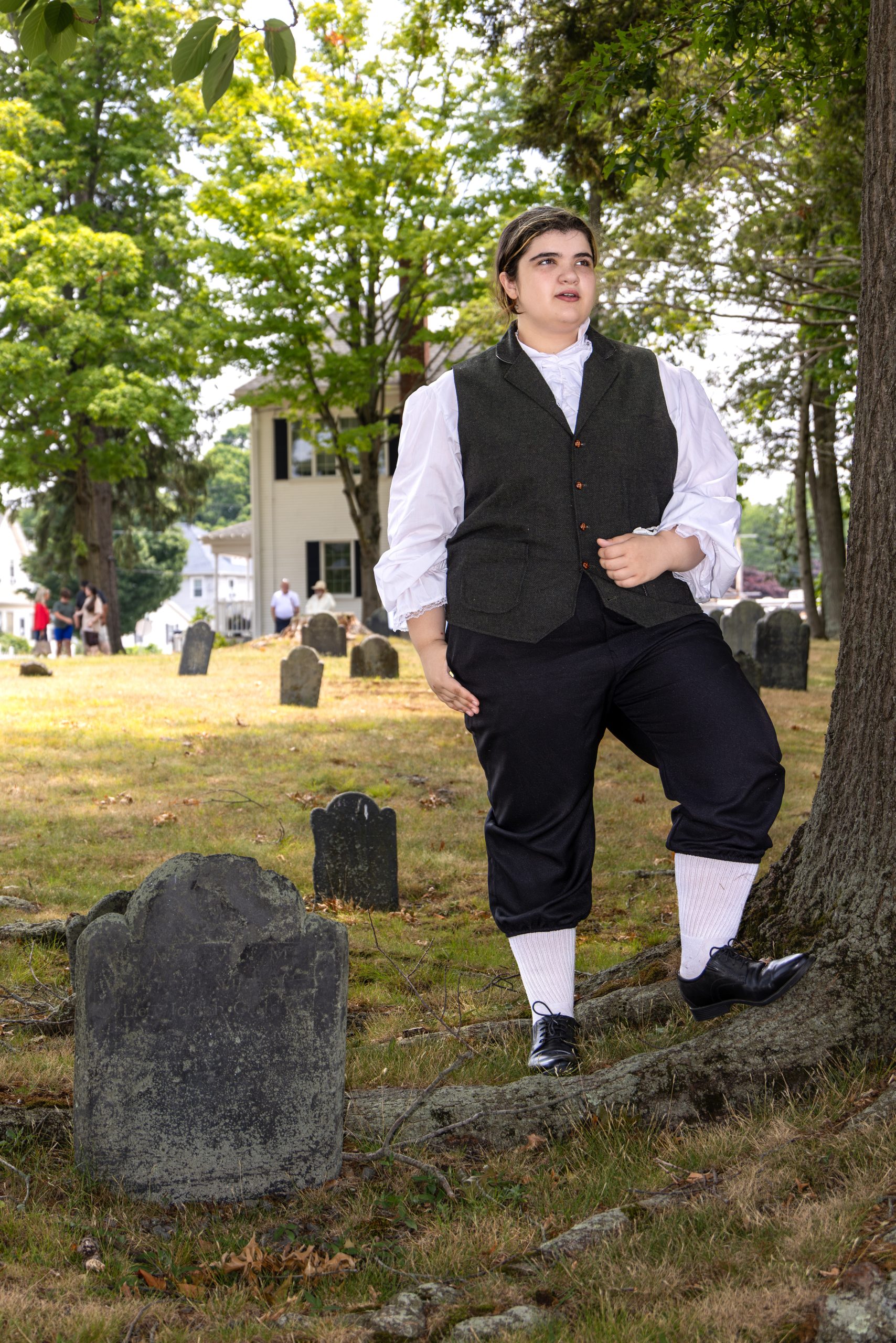
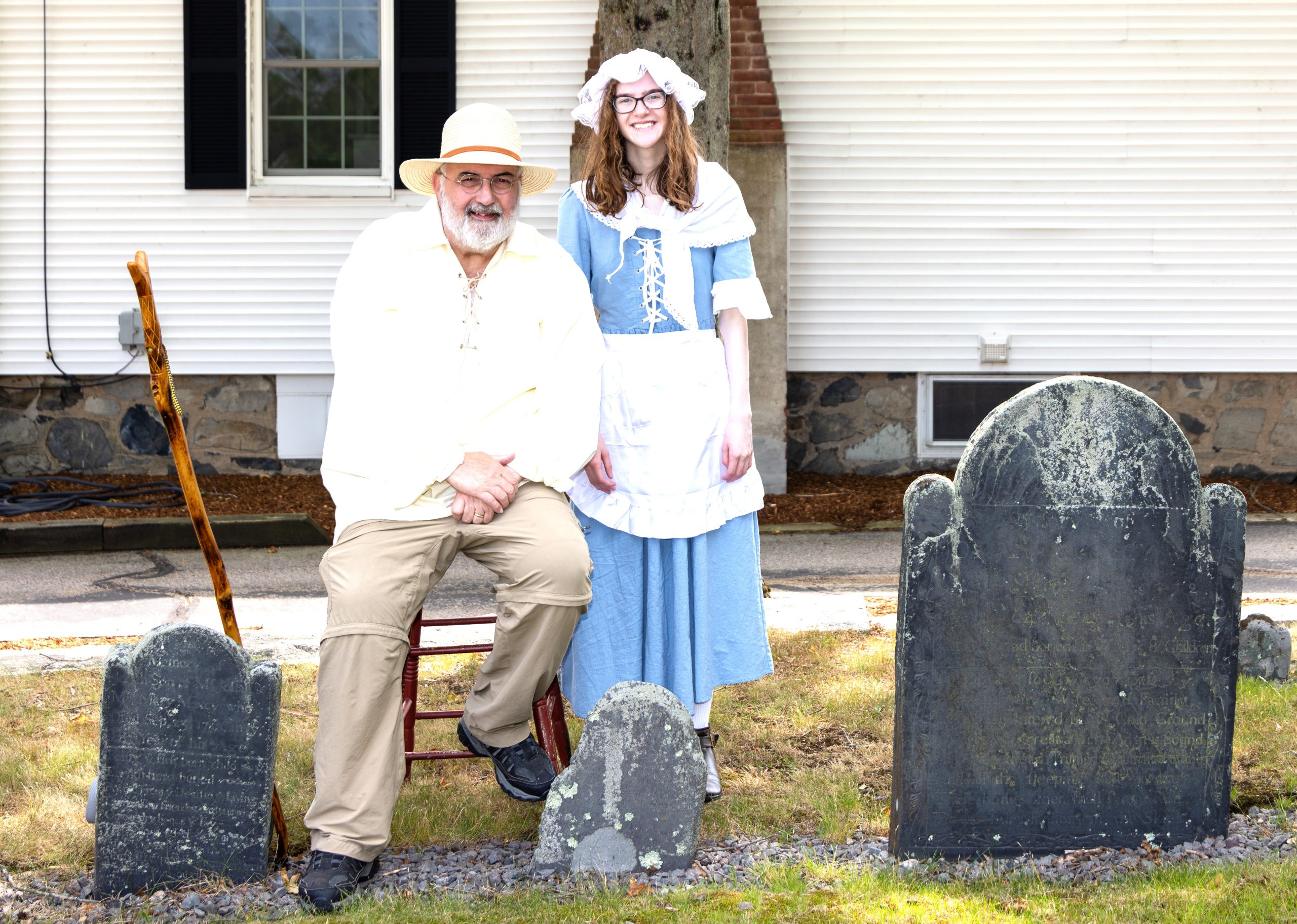
Across North Washington Street, visitors gathered in the Woodcock Burial Ground, where North Attleborough students portrayed people buried there through first-person reenactments.
Audrey Reimer portrayed Sarah Fuller Maxcy, describing a life raising three children while her family lived at and operated the tavern.
“My day was always busy cooking, cleaning, making clothing and tending to our garden and farm,” she told visitors.
Historical Society member Kerry Vigorito said three generations of the Maxcy family lived in the house, and many relatives — including Josiah Maxcy and eight of his 12 children — are buried in the cemetery.
“Most children did not live to adulthood,” Vigorito said. “All of those graves from the 1600s were probably wooden, so they did not withstand the test of time. We’re proud of the ones that are still here.”
Another portrayal focused on Caesar the Ethiopian, one of the cemetery’s most historically significant figures.
Portrayed by Maeghan Crowley, Caesar recounted being enslaved by the Maxcy family at age 9 before later serving Levi Maxcy. He worshipped at North Baptist Church and served for three years in the Continental Army before dying in 1780 at age 77.
According to the National Register of Historic Places and other records, Caesar’s gravestone is among the earliest documented gravestones honoring an enslaved person in America. A replica now stands in the cemetery after the original deteriorated.
Vigorito said Caesar’s story reminds visitors that slavery was part of North Attleborough’s colonial past.
“You don’t think of people in North Attleborough as having slaves, but they most certainly were everywhere,” he said. “It’s a sad part of our history, but it needs to be told.”
For Caldwell, that’s exactly why the historical society continues these educational experiences for the public.
“A lot of people drive past here every day and don’t realize the history,” she said. “It is fascinating to think about what went on in this very spot.”