

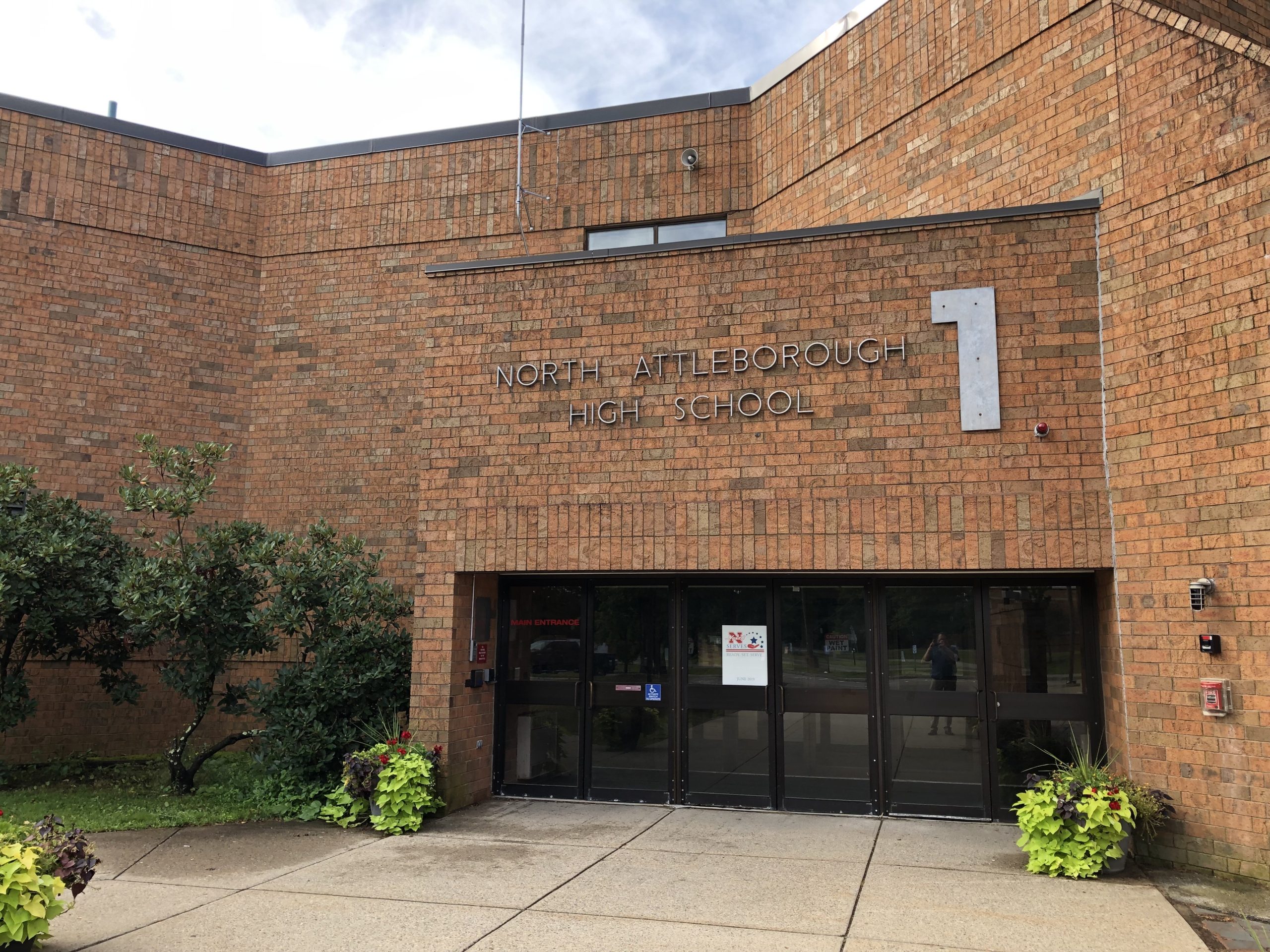
By Geena Monahan—For the North Star Reporter
As the town begins deliberations on its fiscal year 2027 school budget, officials are confronting a familiar challenge — balancing rising education costs with other municipal priorities.
The discussion unfolded over two consecutive nights, as Superintendent John Antonucci presented early budget information at a joint meeting with the Town Council on Monday, Jan. 12, followed by a more detailed review at the School Committee meeting the next evening.
“The earlier we can have these conversations, the better,” Antonucci told officials Monday night. “There’s a lot of interest in the school budget, and this is a good time to talk about what’s driving it.”
Antonucci is recommending a $55.27 million school budget for FY27, an increase of roughly $4 million from the $51.3 million budget for the current fiscal year. He said the proposed increase reflects rising fixed costs as well as long-standing unmet needs within the district.
North Attleborough Public Schools serve 3,859 students across five elementary schools, a middle school and a high school. About one-quarter of students are classified as low income, a factor Antonucci said has increased demand for student services and special education.
“Our demographics are changing, and that comes with changing needs,” he explained.
Existing obligations versus budget growth
Special education accounts for about one-third of total district spending, with 912 students currently receiving services under individualized education programs – a 20% increase since fiscal year 2023.
Out-of-district special education tuition remains a major cost driver, with projected FY27 spending of $4.55 million. Individual placements at private day or residential schools range from $70,000 to $472,000 per student.
“Those are needs-driven costs,” Antonucci said. “They’re not discretionary.”
According to figures presented, recent budget increases have largely been consumed by maintaining these existing services, rather than expanding them.
In fiscal year 2026, the school department received a $2.23 million increase over the prior year. Of that amount, roughly $2.11 million was absorbed by existing personnel costs – including contractual salary increases, step increases and cost-of-living adjustments – leaving about $116,000 left over.
“What that means is when the budget goes up, we’re really just keeping the lights on,” said Antonucci.
More than 83% of the district’s operating budget is dedicated to salaries, with staffing levels driven by state curriculum requirements, class-size expectations, enrollment patterns and federally mandated services. As a result, requests for additional staff, higher supply budgets, building maintenance and utility increases often go unfunded.
“Most of the budget is committed before we ever get to programmatic decisions,” Antonucci said.
Questions about available funds
As Antonucci outlined those pressures at Monday’s joint meeting, Town Councilor Laura Wagner questioned whether the district has fully accounted for funds already on hand.
Wagner cited figures from the town’s accounting department showing a FY26 school account balance of $5,773,434.70, asking why that could not be used before requesting additional funding, why this appears to grow year over year, and does not earn interest.
In response, Antonucci and School Committee members explained the total reflects dozens of separate grant, revolving and trust accounts, many of which are legally restricted to specific purposes.
The district manages accounts tied to athletics, parking fees, building rentals, grants and state reimbursements, among others. Revenue collected for a specific purpose must be spent accordingly, with oversight from the accounting department and the Department of Elementary and Secondary Education.
“Parking fees can’t be used to pay for an English teacher,” said Antonucci. “Athletic funds can’t be used to pay for a custodian.”
According to the FY27 recommended budget, additional salaried positions are among the district’s most pressing needs. Proposed “high-need” positions include an assistant principal at Amvet Elementary School, educational support professionals, a board-certified behavioral analyst and a reading specialist.
Using one-time or restricted funds to cover ongoing expenses, such as salaries, can create long-term budget instability, Antonucci warned.
Misconceptions persist
Those explanations were revisited at Tuesday’s School Committee meeting, where administrators and members acknowledged that the technical nature of school finance can make reserved balances difficult to interpret.
“It would be irresponsible to use these funds,” said Antonucci. “That narrative has to stop, that we’re sitting on money. It’s misleading, it’s false, and it’s become as good as a Facebook post.”
Committee Chair Tasha Buzzell echoed those concerns, noting that while some account balances increase nominally, inflation and rising costs can erode their purchasing power.
“When you factor in inflation and expenses, those balances don’t go as far as people think,” said Buzzell.
Antonucci also emphasized that grant funding is approved and tracked by DESE down to specific spending categories, with formal amendments required to shift funds.
“We’re accountable to the state down to the dollar,” he said.
Antonucci stressed that the FY27 recommended budget reflects a needs-based approach that includes requests for additional staff, emergency repairs and technology replacement, alongside continued growth in special education costs and utilities.
“These aren’t add-ons,” said Antonucci. “These are fundamental services that allow schools to function.”