

By Geena Monahan—For the North Star Reporter
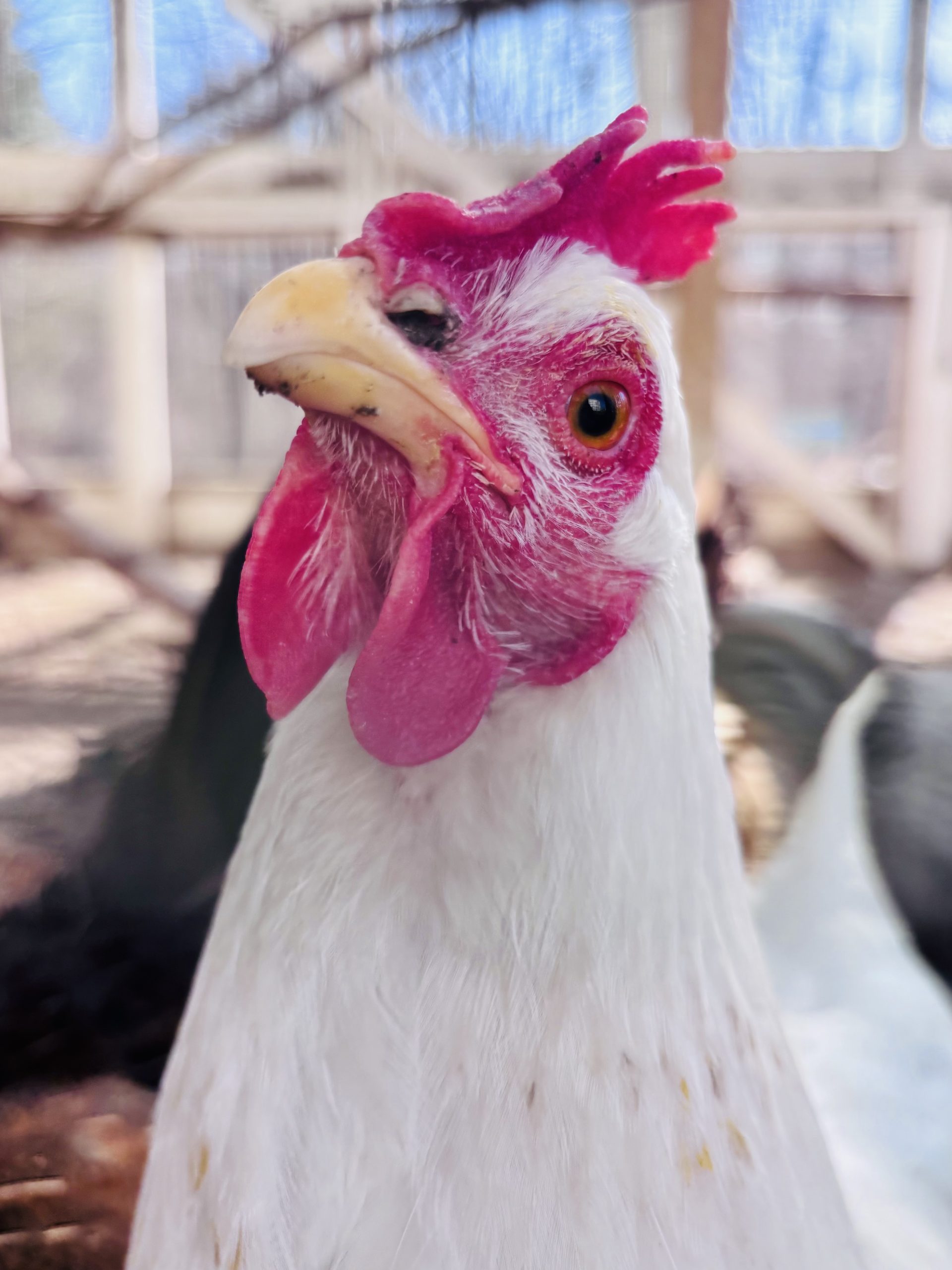
After months of public discussion, revisions and committee review, the Town Council unanimously approved a new backyard chicken bylaw, clearing the way for residents to keep hens by right beginning July 1.
The measure passed 8-0, with Councilor Mark Gould absent from the meeting on Monday, March 23.
Supporters said the final version reflects a deliberate effort to expand residents’ ability to keep chickens while addressing concerns around rodents, sanitation, noise and neighborhood impacts.
Resident Maureen Avila, who said she attended nearly all of the meetings on the issue, thanked councilors and staff for what she described as a thoughtful and measured approach.
“I felt that they listened to people’s concerns,” Avila said. “I felt it was progressing in a very positive manner….They did not rush through anything.”
John Donahue, a member of the Bylaw Subcommittee, said the proposal was shaped through collaboration, crediting Health Department Director Anne Marie Fleming and Animal Control Officer Stephanie Mitchell for their roles in creating the guidelines.
Bylaw Subcommittee Chair Dan Donovan said the proposal was one of the most extensive bylaw efforts he has worked on, with discussions dating back to the week before Thanksgiving 2025. He said the goal was twofold — expand access to backyard chickens while establishing clear public health and rodent-control protections.
“It was a team effort,” Donovan said. “We came up with a piece of legislation that achieves everything we set out to do.”
Licensing requirements
The bylaw establishes an annual licensing requirement for each property where chickens are kept. Property owners may apply directly, while renters or other non-owners may obtain a license with written, notarized permission from the property owner.
Licenses will be issued online by the town clerk and run from April 1 through March 31, with fees set by the Town Council. As part of the application, licensees must submit a plot plan showing the location of the coop and run locations and setbacks, along with waste-handling and pest-management plans for review by town officials.
Donovan said a key feature of the bylaw is the required inspection before chickens are brought onto a property. Conducted after the coop and run are built, but before chickens are purchased, the inspection ensures compliance with health, safety and construction standards.
Additional inspections are only required if a complaint is filed. However, annual inspections by the municipal animal inspector are still required under state regulations to verify flock size and location. Owners must also allow access for inspections with reasonable notice.
Under the bylaw:
- Properties under 7,500 square feet are not eligible
- Lots between 7,500 and 10,000 square feet may keep up to four hens
- R10 properties may keep up to six hens
- R20 properties may keep up to 12 hens
- R40 and agricultural districts allow larger or unlimited flocks
Chickens exceeding those limits require a zoning variance.
The bylaw also outlines housing requirements. Chickens must be kept in an enclosed coop and run at all times, except in R40 and agricultural districts, where they may roam outside a run if confined to the owner’s property and do not create a nuisance.
On-site slaughter is permitted out of public view for personal consumption only, and residential sales are prohibited. Off-site processing must be done at facilities licensed by the Massachusetts Department of Public Health.
Striking the right balance
Councilor John Simmons said the bylaw strikes a balance between property rights and concerns raised during the process, including odor, noise, safety, animal welfare and rodents.
“I think the bylaw does a really good job protecting personal property rights while also being respectful of neighbors’ concerns and worries,” Simmons said.
Some of those concerns are reflected in the setback rules, which Councilor Laura Wagner said were expanded based on resident input.
“We extended the setback requirements to 15 feet in direct response to what people asked us to do,” Wagner said.
The bylaw requires coops and runs to be located at least 15 feet from adjoining property lines, 20 feet from neighboring dwellings and 50 feet from wells, streams, wetlands or other water bodies. They also cannot be placed within any required front-yard setback under the town’s zoning bylaws.
Wagner said the licensing system is intended not to burden residents, but to ensure the town can track chicken ownership due to public health considerations.
“Chickens aren’t pets, so we need to know where the chickens are in town,” Wagner said. “We want everybody who has chickens to come forward because it helps the whole community to know where the chickens are.”
Rodent prevention and sanitation standards — a major focus during the review — are outlined in detail.
All feed must be stored in rodent-proof, weather-tight containers and dispensed only in covered feeders. Open feeding and scattering feed are prohibited, and any spilled feed must be cleaned up daily. Coops and runs must be kept clean, with regular removal of manure and waste. Surrounding areas must remain free of trash or materials that could attract pests.
The bylaw also prohibits roosters in all districts except R40, addressing noise concerns raised by residents.
Even with those safeguards, Donovan acknowledged the bylaw is not perfect.
“Is it a perfect bylaw? Certainly not,” he said. “And will there be people who don’t follow the rules? Yes. But now there’s a framework to evaluate situations and deal with them in a way they really can’t now.”
Violations may result in fines, license revocation or removal of chickens. The bylaw allows noncriminal fines of up to $300 for violations, including refusal to allow inspections, abandonment or mistreatment of chickens, or failure to renew a license.
“It was a team effort,” said Donovan. “I’m really proud of this.”