

As the costs of groceries continue to rise across the state of Massachusetts, many residents are being forced to make difficult decisions about what they can afford to eat. For older adults living on fixed incomes, these decisions could impact their health.
A recent report published in April 2026 by the Greater Boston Food Bank and Mass General Brigham found that 40% of Massachusetts households experienced food insecurity in 2025. This is particularly concerning for older adults, who may be managing chronic diseases such as diabetes, hypertension and cardiovascular disease. We often tell people that eating more fruits, vegetables, and whole grains can improve their health, but we must also make sure they have the resources to do so.
Healthy eating is an important part of every stage of life, but it becomes especially important as we age. Chronic diseases, including heart disease, type 2 diabetes, and hypertension can affect an individual’s independence and quality of life. Research supports the importance of making nutritious food choices later in life. A study published in 2024 examined the relationship between diet quality and chronic disease development among 2,700 adults age 65 and older.
Researchers found that older adults with higher diet quality had fewer chronic health conditions and experienced a slower accumulation of chronic diseases over approximately five years. The study highlights how maintaining a healthy diet pattern can support healthy aging and reduce the burden of developing chronic diseases. Incorporating fruits and vegetables, whole grains, and other nutrient-rich foods into everyday meals is one practical way older adults can work towards better health in the long term.
However, knowing what to eat does not necessarily mean having the ability to access it. Older adults could experience barriers such as transportation, rising grocery costs, physical limitations and difficulty preparing meals. These challenges can make it harder to consistently purchase and prepare nutritious foods. When someone must choose between groceries, paying for medication, or covering household expenses, healthy eating may become less of a priority. Therefore, promoting healthy eating among older adults requires more than simply providing nutrition education. It requires community support and accessible resources.
North Attleborough already has a foundation to build upon. According to the town’s Fiscal Year 2024 Annual Report, the North Attleborough Senior Center served 1,520 congregate meals and delivered 12,464 meals to homebound older adults through its Meals on Wheels program. These services make it clear how important the role of community programs is in supporting older adults. However, we should continue building on these efforts by making nutrition education and access to healthy foods a greater priority.
Our community should invest in a health promotion campaign focused on helping older adults make realistic, affordable and nutritious choices. This could include nutrition workshops at the Senior Center, cooking classes using inexpensive ingredients, grocery shopping education, and information about incorporating fruits, vegetables and whole grains into everyday meals.
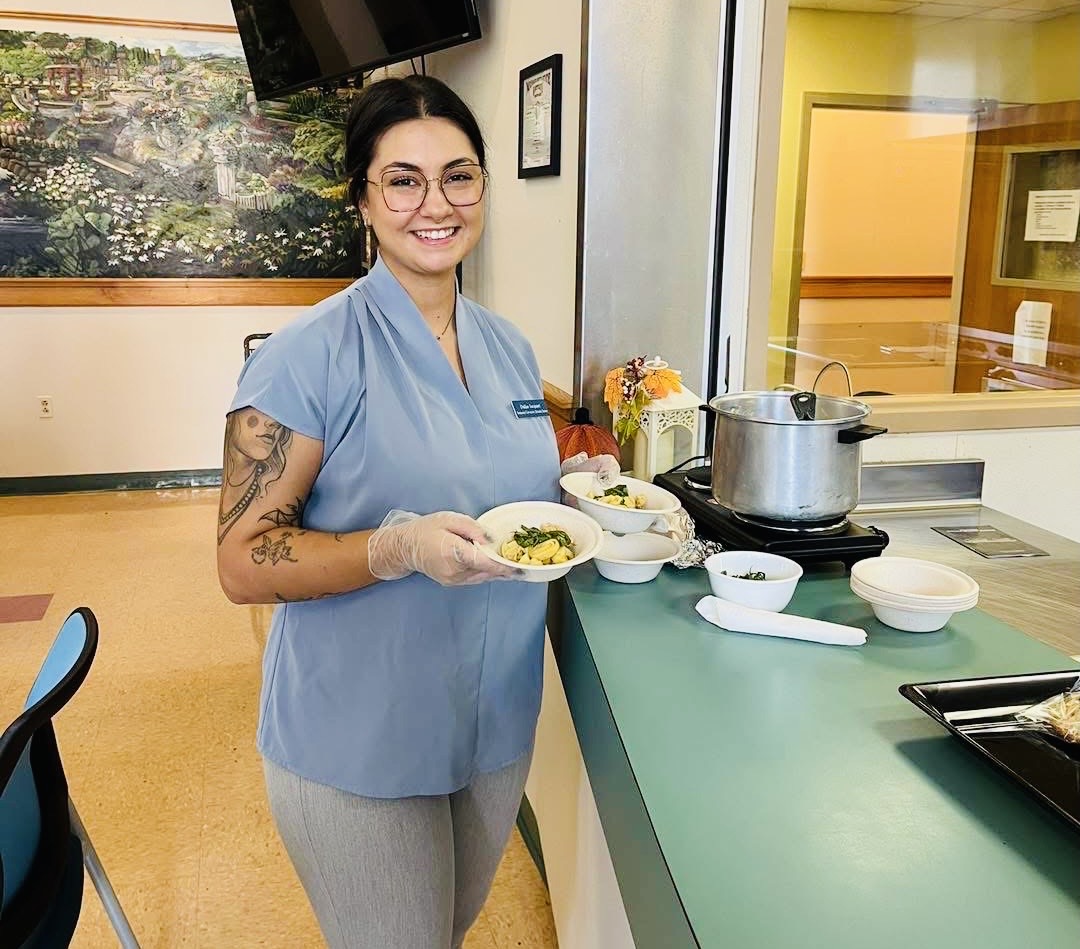
Nutrition workshops are more than just an idea – they are a realistic and effective way to put nutrition education into practice within our communities. I partnered with the Attleboro Council on Aging this fall season to create nutrition education classes and demonstrations for my dietetic internship.
I saw firsthand how preparing meals together can provide older adults with practical nutrition education. The demonstrations offered an opportunity to introduce affordable, nutritious ingredients, show simple ways to prepare balanced meals, and help older adults living with chronic diseases feel more confident making healthier food choices.
Community partnerships with local grocery stores, farmers’ markets, food pantries, and senior services could also improve access to fresh and nutritious foods. Expanding awareness of existing programs would further help older adults who may not know what resources are available to them and reduce the concern around getting assistance.
Most importantly, these efforts should recognize that healthy eating does not have to be expensive or complicated. Frozen fruits and vegetables, canned beans, seasonal produce, brown rice and oatmeal are affordable options that can be integrated into everyday meals. Small changes, such as choosing whole grain bread instead of white bread or adding a serving of vegetables to dinner, can help support healthier patterns of eating over time.
Making these changes does not have to start with major policy changes or large financial investments. There are already opportunities for North Attleborough residents to make a difference. Community members can support Lenore’s Pantry & Market by donating nutritious, nonperishable foods or grocery gift cards to help individuals and families experiencing food insecurity.
Residents can also volunteer at the North Attleborough Senior Center to support programs such as Meals on Wheels. Beyond donations and volunteers, community members can advocate for continued investment in senior nutrition programs and encourage the expansion of nutrition workshops and cooking demonstrations.
Small actions could have a meaningful impact, whether it’s donating to a local food pantry, volunteering to deliver meals or supporting nutrition education programs.
Healthy aging should not be a privilege reserved for those who can afford nutritious foods. As a community, we have the opportunity to make that difference possible. A healthier North Attleborough starts with a community willing to take action.
Dallas Jacquart is a Masters in Nutrition and Health Promotion Candidate 2027.