

By Geena Monahan—For the North Star Reporter
As officials begin planning the future of the town’s aging World War II Memorial Pool, a state earmark can help determine what comes next for this historic local landmark.
A fiscal year 2027 state budget amendment, secured by state Rep. Adam Scanlon, D-North Attleborough, would provide $20,000 for a feasibility study examining long-term options for the pool, including whether the town should renovate, rebuild or potentially relocate the facility.
According to town capital planning documents, the study would evaluate “the best course of action among the possibilities, including constructing a new, larger pool in the same location, or constructing a new pool elsewhere in town.”
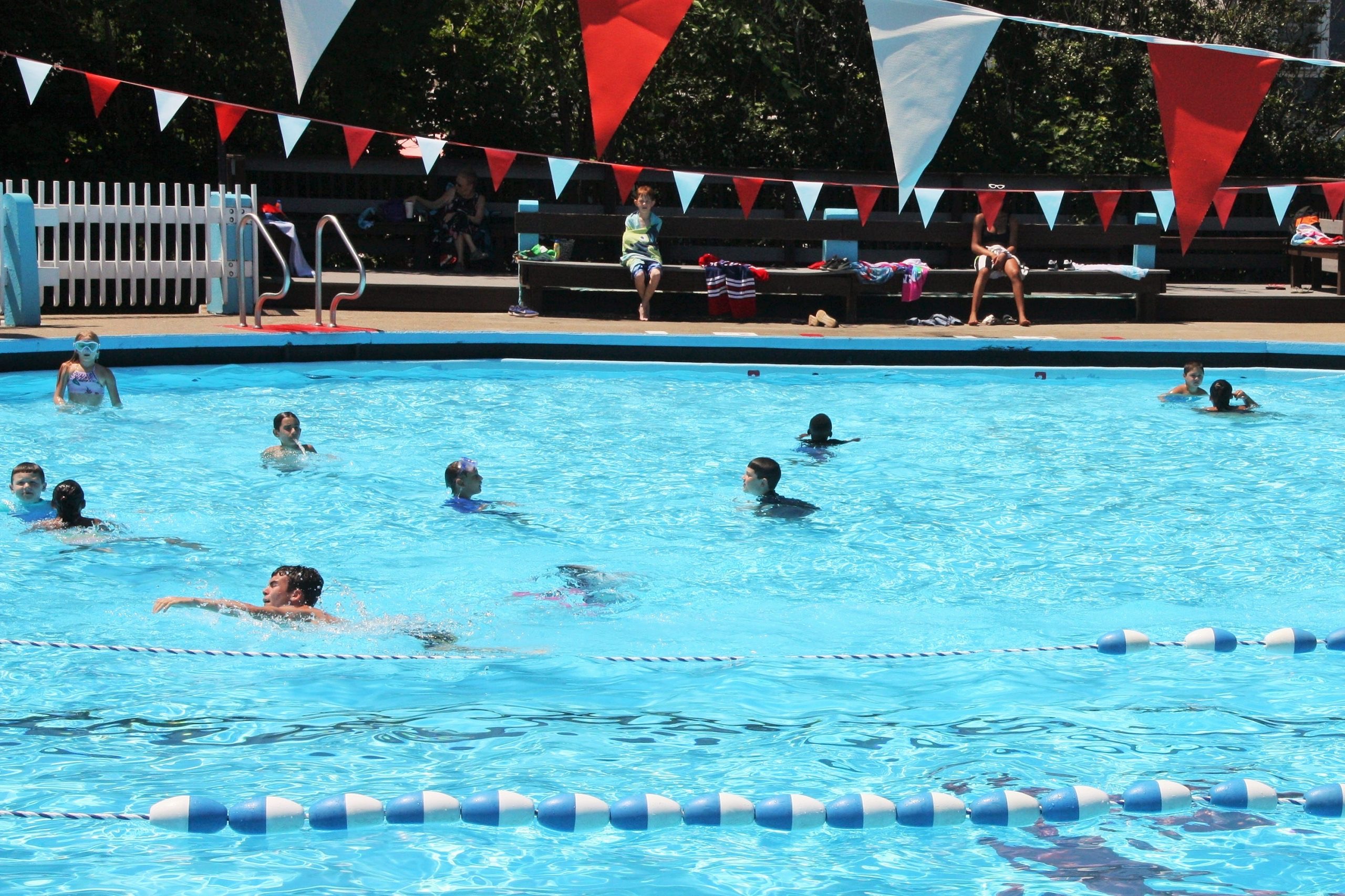
The discussion comes as the roughly 76-year-old pool — originally dedicated in 1951 as a memorial funded by returning World War II veterans and the Kiwanis Club — continues to show signs of age while remaining a heavily used summer destination for local families.
Parks and Recreation Director Steven Carvalho said officials have spent years maintaining the facility while recognizing that other decisions may need to be made.
“When we’re dealing with something 76 years old, every day you make sure that you’re putting good money into good things,” Carvalho said. “We’ve been doing everything to make sure it’s always safe and clean, but some of the cosmetics and things — we feel the infrastructure is starting to show its age.”
Carvalho said they have intentionally been cautious with major spending on the site, knowing the town may ultimately need to consider replacement.
“It doesn’t make a lot of sense to continue putting money into a building that unfortunately needs to be replaced,” Carvalho said.
Officials hope to begin the feasibility study during the upcoming pool season so consultants can evaluate the facility while it is in use. According to planning documents, the facility is not fully ADA-compliant and restroom access remains limited due to the antiquated layout.
“We do have accessibility into both pools with a lift chair that gets folks in and out,” Carvalho said. “We have limitations based on how old the building is, but we try to make every accommodation possible because the pool and everything we do should be accessible to all.”
The study is also expected to examine infrastructure needs, usage patterns and whether the existing downtown location remains the best fit for the community.
Carvalho estimated the pool sees roughly 1,100 visitors per week during the summer season, many of them families who walk from nearby neighborhoods.
“The main drivers of that pool are our downtown families who do a lot of walking to that property,” Carvalho said.
While the study could explore alternate locations, Carvalho said officials want any recommendations to account for engineering and utility requirements, along with how residents use and access the facility
“We want someone who doesn’t just look at how much water you need, discharge, electricity and things like that,” Carvalho said. “We want someone to look at it from all the factors.”
A memorial and a rare surviving pool
Beyond its role as a longtime community gathering place, the World War II Memorial Pool also carries a unique history that extends well beyond North Attleborough.
According to the town’s website, the facility was one of eight similar World War II Memorial Pools constructed across the United States. Only two other World War II Memorial Pools are believed to still exist today.
Adjacent to the pool is a granite memorial honoring North Attleborough residents who served during World War II, including 49 men who died in service.
The pool is part of a rare class of above-ground swimming pools designed by engineer Wesley Bintz, whose patented designs became popular in municipalities across the country during the early and mid-20th century.
Research compiled by architectural historian and historic preservationist Tegan Baiocchi describes Bintz pools as elevated swimming facilities that often housed locker rooms and changing areas beneath the pool structure itself.
Bintz patented the design in 1926 and reportedly designed roughly 135 pools nationwide, according to Baiocchi’s research, though many have since been demolished or redeveloped.
A January article published by the New York Almanack highlighted growing historical interest in surviving Bintz pools, describing the structures as resembling “an overturned straw boater hat or skimmer,” with the raised circular tank forming the pool itself and the surrounding deck acting as the brim.
The design allowed pools to be built above ground while still blending into parks and public gathering spaces. Exterior walls were often finished with masonry and extended above the deck into parapets, eliminating the need for large perimeter fencing and giving the facilities a more monumental appearance.
The North Attleborough pool has remained free to town residents since opening in 1951 — made possible through town funding and the Make a Splash Foundation — and continues to serve generations of local families each summer, according to the Parks and Recreation Department.
For Carvalho, the feasibility study represents an opportunity to determine how best to preserve that community asset moving forward.
“This is a first step,” Carvalho said. “We’re grateful because this will allow us to see what direction we will go.”