

By Geena Monahan—For the North Star Reporter
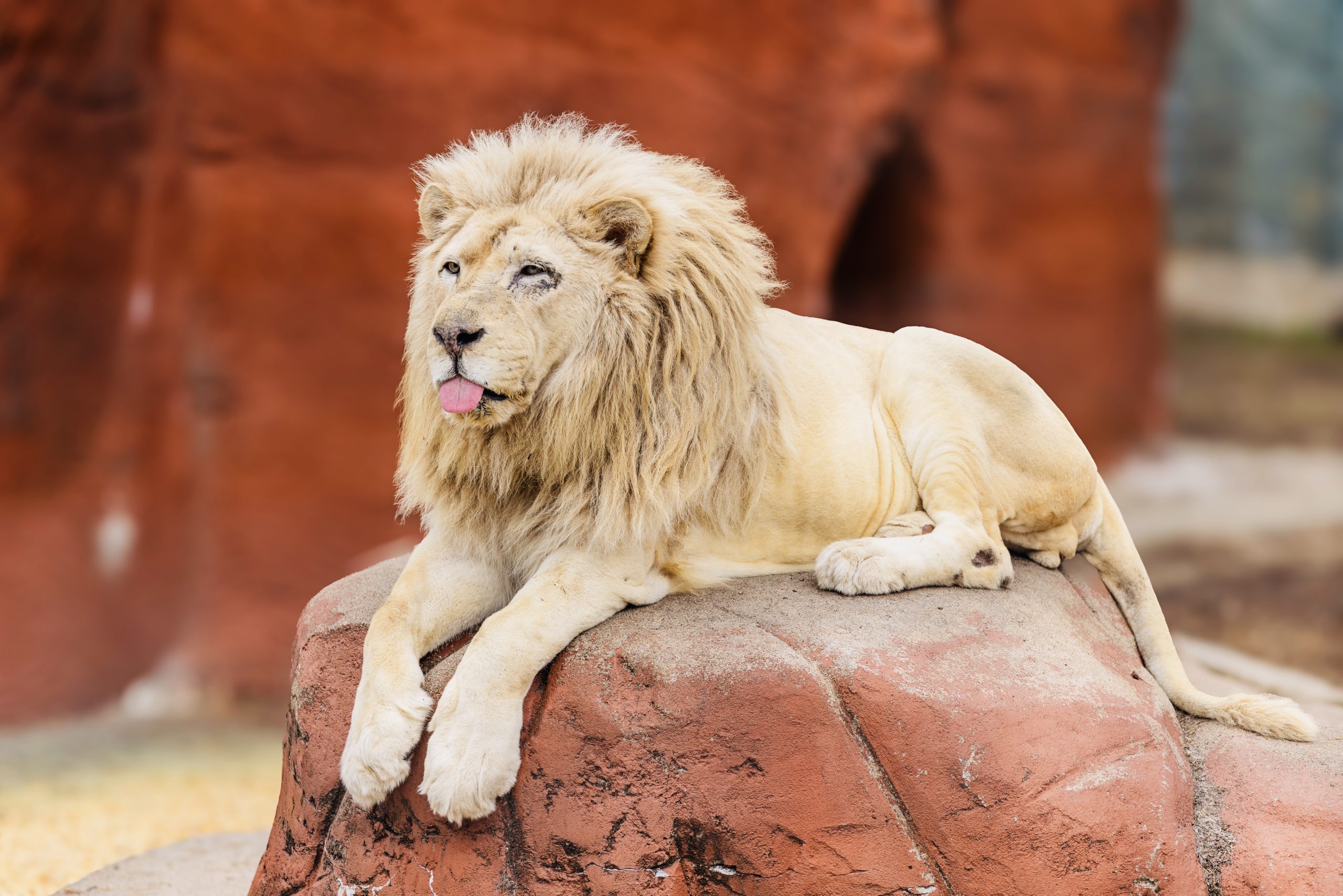
A proposal by Attleboro Mayor Cathleen DeSimone to transform Capron Park Zoo into a nature reserve and wildlife rehabilitation center is drawing pushback from residents, zoo staff and city councilors, who say it could effectively end one of the city’s most recognizable institutions.
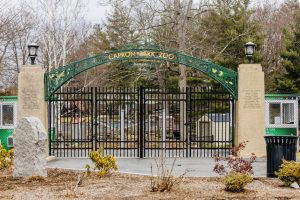
DeSimone submitted a multi-year plan this week to reimagine the eight-acre zoo property as the Capron Park Zoo Nature Reserve & Wildlife Rehabilitation Center.
Under the proposal, the zoo would operate normally through Sept. 7 before animals are relocated and the site gradually repurposed. She noted the zoo would be open to the public for free admission on select weekends in September and October.
The mayor said the plan is intended to preserve public access to the park while addressing long-term financial challenges facing the city.
“Capron Park Zoo has been part of the lives of generations of Attleboro families,” DeSimone said in a statement announcing the proposal. “This plan keeps Capron Park Zoo open and active for the community while creating a future that is financially responsible.”
But during the Tuesday, March 17, City Council meeting, several residents argued the proposal would effectively eliminate the zoo.
“It’s not another item in the budget,” said Attleboro resident and former at-large City Councilor Nick Lavoie. “It’s a cornerstone in our community. Capron Park Zoo is not a cost — it’s an asset.”
Lavoie noted the generations of families that have grown up visiting the zoo and warned that the city risks losing one of the few attractions which consistently draws visitors to Attleboro.
Former councilor Mark Cooper, who represented the ward that includes Capron Park for 11 years, urged officials not to make a decision without broader public engagement.
“The zoo was started in 1937,” Cooper told councilors. “Since then the city of Attleboro has been able to maintain the character and charm of Capron Park Zoo. There has to be a way to make this happen for the community.”
Financial pressures driving proposal
According to the city, Capron Zoo faces approximately $57 million in capital improvement needs, while rising operating costs and declining attendance have made the current model increasingly difficult to sustain.
The city’s general fund currently covers more than $900,000 annually in salaries and benefits for zoo staff, officials said.
At the same time, Attleboro faces growing municipal costs, including health care, energy, paving and school expenses.
“The city can no longer afford to finance the zoo as it is,” DeSimone said during a press conference Wednesday, March 18. “We certainly cannot afford the major amounts of capital improvements, which are over $50 million.”
What the transformation would look like
Under the plan, traditional animal exhibits would gradually be phased out while the property is redesigned as a nature-focused recreation space.
Concepts outlined in the proposal include:
- Nature-inspired playgrounds
- Expanded picnic and gathering spaces
- Pollinator and butterfly gardens
- Miyawaki micro-forests
- Community gardens and sensory trails
- Continued use of the splash pad, amphitheater and rainforest building
The city also hopes to introduce a wildlife rehabilitation program focused on caring for injured or sick native animals before returning them to the wild.
“Instead of seeing animals in captivity, we could help rehab and release animals into the wild,” said DeSimone.
But zoo staff questioned whether the proposal fully considers the logistical realities of animal care. Casey Ribeiro, the zoo’s curator of 15 years, said the facility currently meets all federal and national standards and serves as a key community resource.
“The zoo has long functioned as a valued municipal asset contributing to education, conservation, tourism and community identity,” Ribeiro told councilors Tuesday night.
She also noted that relocating animals can be complicated and may take years.
“It may seem like it’s a feasible option to relocate these animals,” Ribeiro said, “but there has to be a place willing to take them.”
Concerns about animals and staffing
Dr. Bekah Weatherington, the zoo’s full-time veterinarian, also spoke at Tuesday night’s meeting and told councilors that roughly 70 of the zoo’s 109 animals are geriatric or have medical conditions, which could make relocation difficult or impossible.
“The well-being of those animals needs to be the top consideration,” she said.
Weatherington also questioned the feasibility of establishing a wildlife rehabilitation center, saying such facilities require specialized staffing, veterinary care and strict limits on public interaction with animals.
“This is not a transition plan whatsoever,” Weatherington said. “This is a softening of the blow to entirely close the zoo.”
Mayor says details still evolving
During Wednesday’s press conference, DeSimone acknowledged that many details of the plan remain under development and she could not yet estimate the cost of transforming the zoo or how many staff positions might be eliminated.
When asked what a wildlife rehabilitation center would look like or how it would operate, the mayor said the concept is still in early stages.
“I don’t have the layout for that in my head yet,” she said. “There’s still so much to be determined – I can’t give you a number on what changes will be made.”
DeSimone said the proposal should be viewed as the beginning of a longer process.
“I’ve been thinking about this since last spring and it was only hammered home this year by the 8.4% increase in health care costs,” she explained. “The zoo is only one department — we have a whole city that has various needs.”
As of 2 p.m. Wednesday, March 19, a Change.org petition titled “Stop the closure of our cherished local zoo” had gathered 1,485 signatures — a sign that the debate over the zoo’s future is far from over.