

By Geena Monahan—For the North Star Reporter
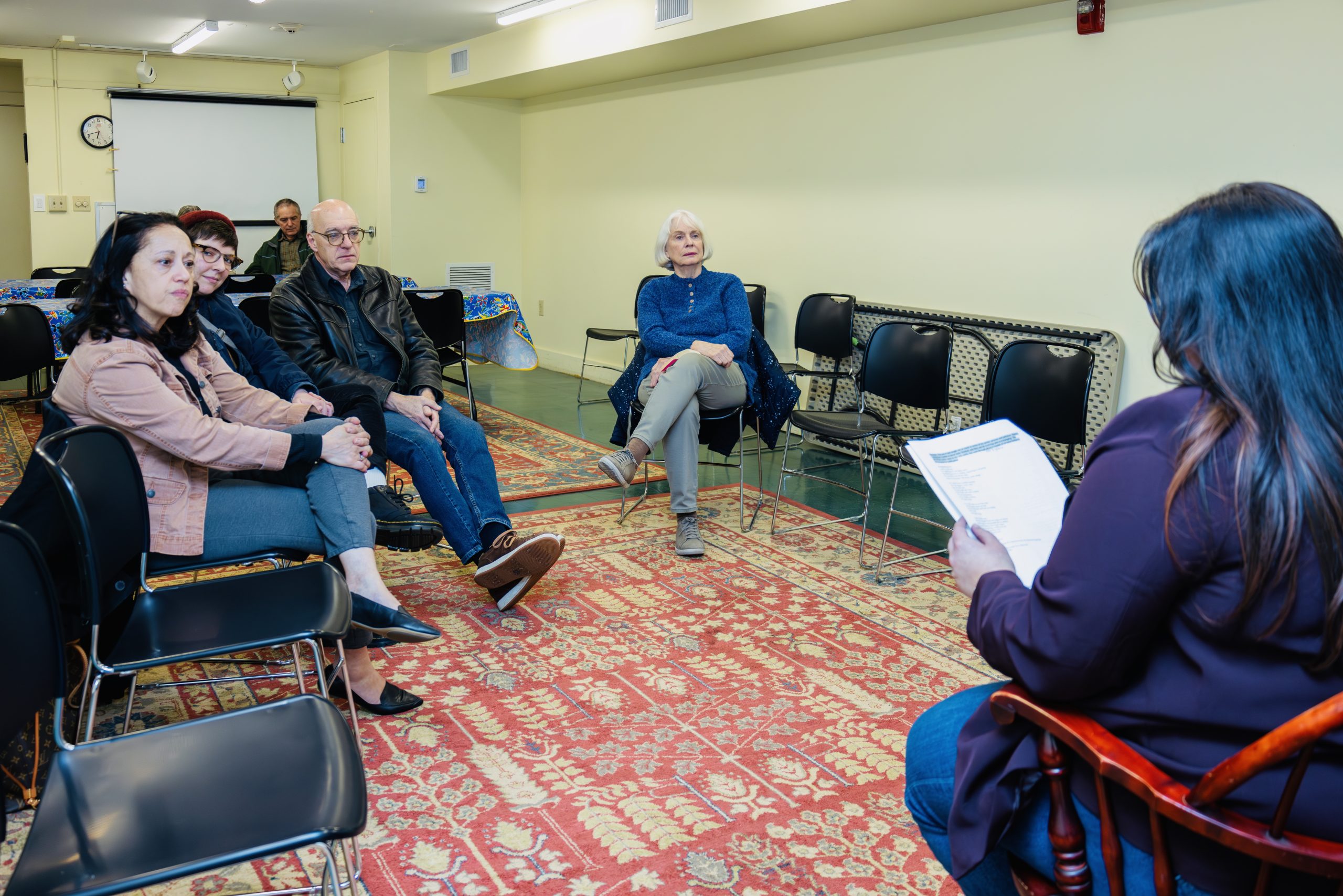
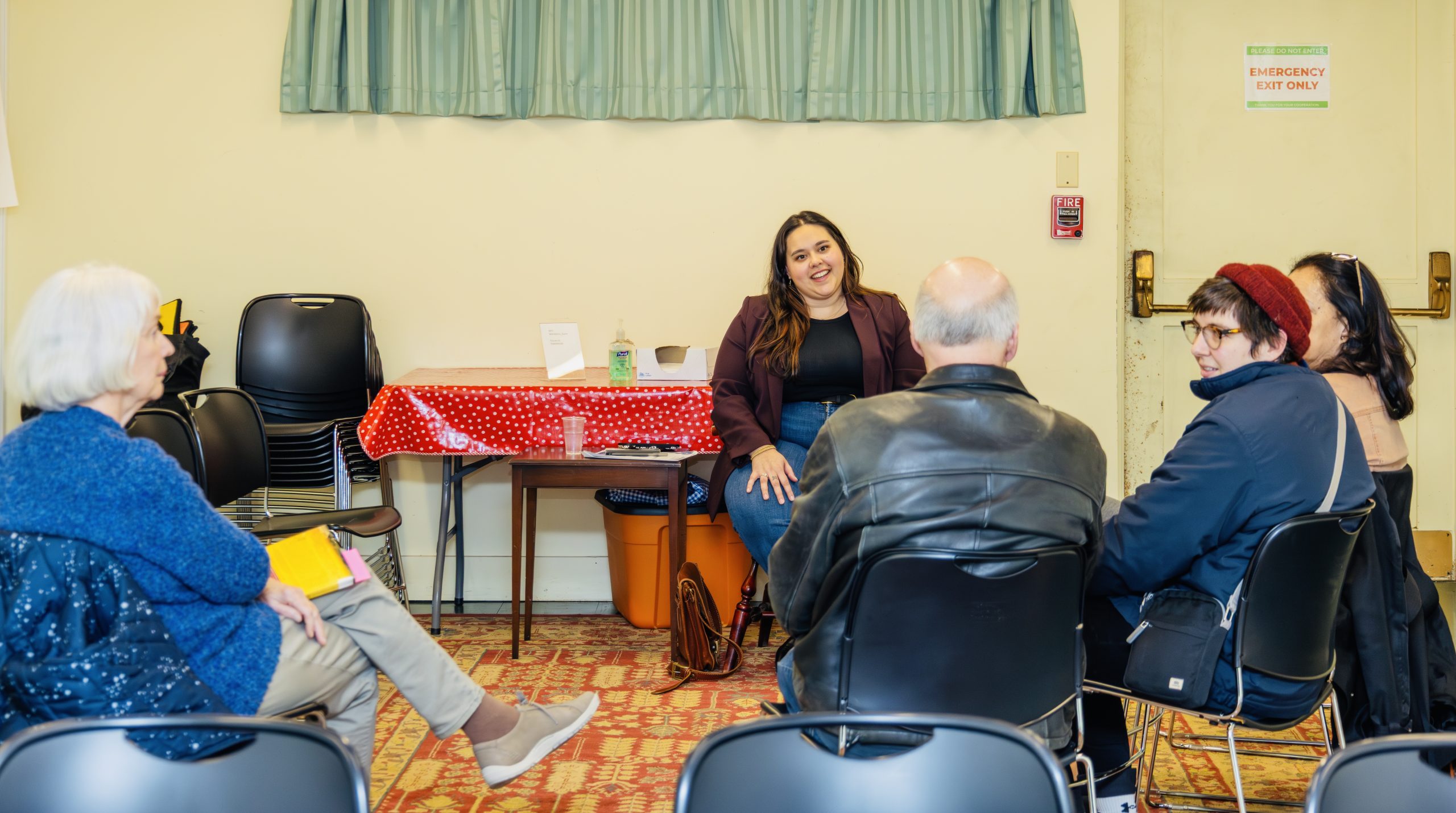
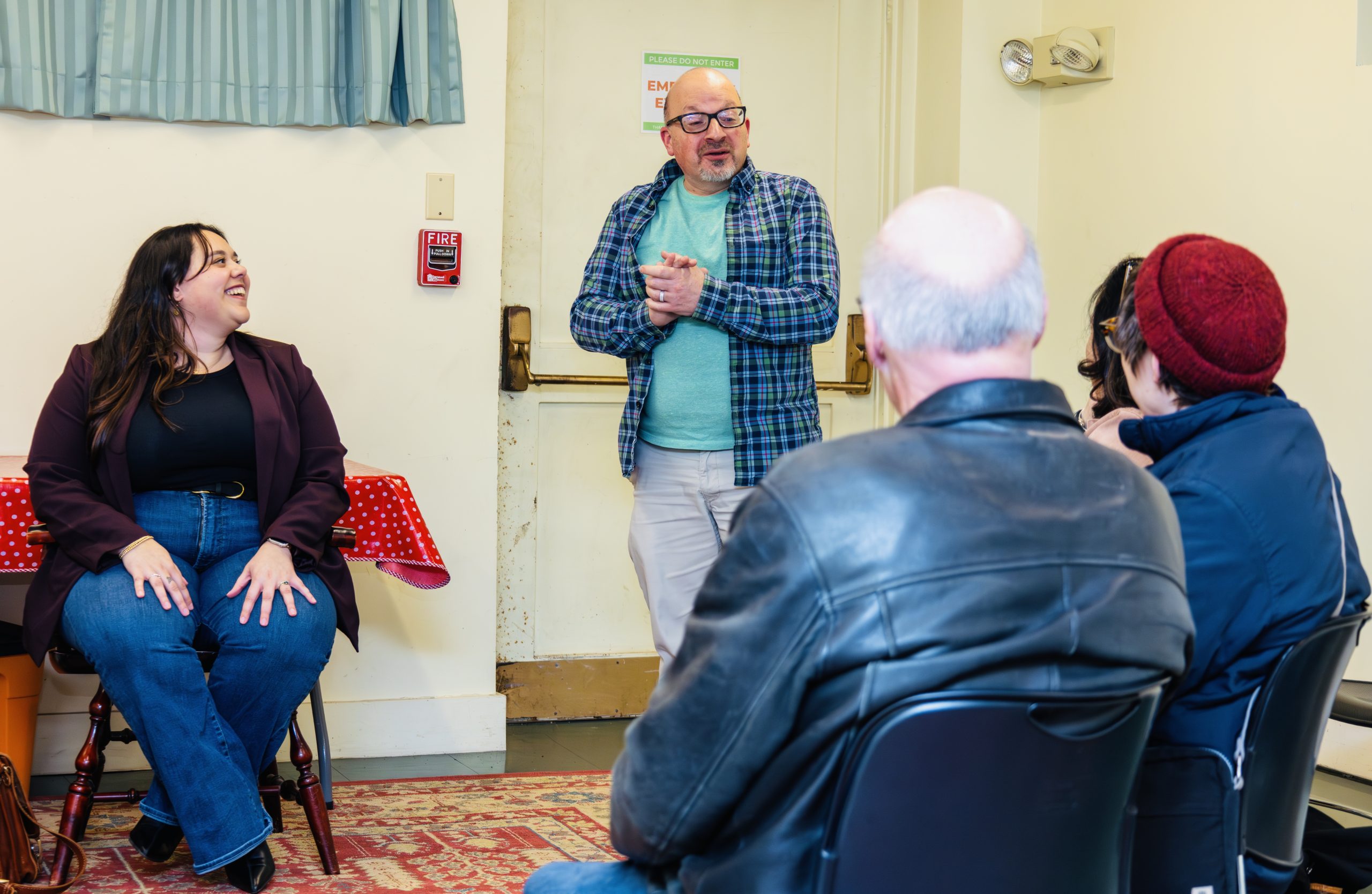
Residents gathered in a downstairs meeting room at Richards Memorial Library to hear Kayla Roy read her poetry and talk about the path that led her back to the town where she grew up.
In April 2025, Roy was named North Attleborough’s first poet laureate, a two-year honorary role focused on promoting poetry, literacy and creative expression in the community. For Roy, the recognition still feels a little surreal — especially considering how private her writing once was.
“I will admit I had never read my poetry aloud to anybody other than my dog, Chowder,” Roy said with a laugh as she introduced herself during the March 12 meet-and-greet. “Not even in school.”
Roy grew up in North Attleborough but said that, like many young people, she felt eager to leave and see the world. After graduating, she spent years trying to figure out where she belonged before realizing she felt pulled back home.
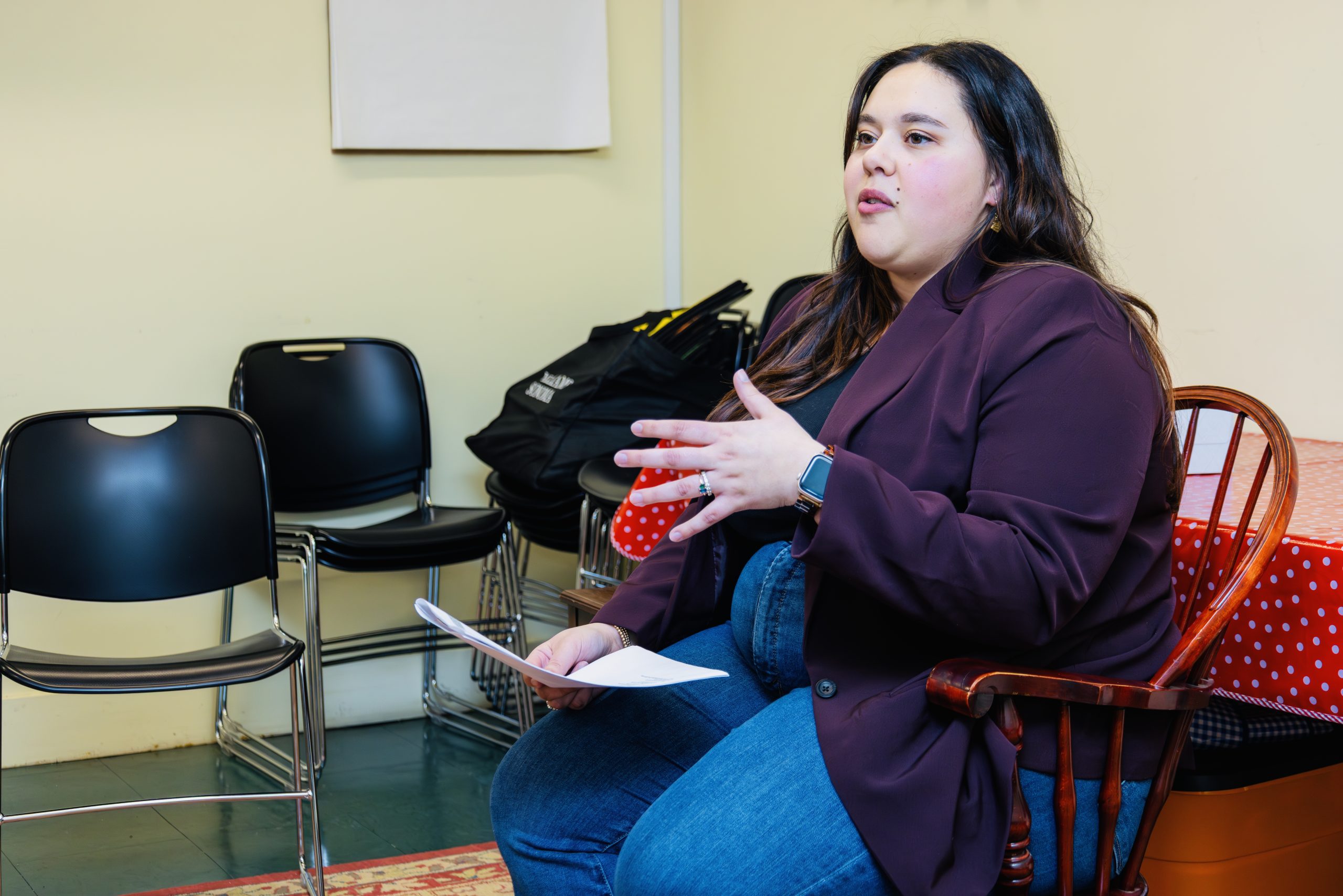
“After I left North Attleborough is when things got wandering for me — trying to figure out what I wanted to do and where I was in the world,” she said. “I always felt like I was trying to find my way back here.”
That journey eventually brought her back to town as an English teacher at North Attleborough High School, where she had the chance to work alongside some of the educators who first sparked her love of literature. Roy said the experience strengthened her connection to the community.
When the North Attleborough Cultural Council announced it was seeking applicants for the town’s first poet laureate, Roy saw this as another way to stay involved in the place where she grew up. She admitted she applied partly on a whim, and because she thought the title itself would make a memorable life anecdote.
“I thought it would be the best fun fact in the world to say that I’m a poet laureate,” she said, drawing a laugh from the crowd. “I fully did not expect it, so it was a tremendous honor.”
The role itself is still evolving. Asked what exactly a poet laureate does, Roy joked that she is still figuring that out. But her overall goal is clear—to use poetry and writing as a way to bring people together.
Reading and writing are often solitary activities, she explained, but they can also create meaningful connections when people share their work or discuss literature with others. Through the poet laureate program, she hopes to encourage residents to explore their own creativity while also showing that poetry is more accessible than many think.
“Poetry doesn’t have to be scary. It doesn’t have to be dusty and archaic,” Roy said. “It can be whatever you want it to be.”
Roy plans to organize a series of workshops, readings and collaborative events during her two-year term, working with organizations across town to bring poetry to different spaces. A writing workshop scheduled for April 1 at Richards Memorial Library will offer residents an opportunity to try composing a poem themselves, and she is exploring partnerships with the senior center, local schools and businesses.
She also publishes a bimonthly newsletter highlighting local literary events and writing prompts, which she hopes to expand as National Poetry Month approaches in April.
Poems rooted in nature, memory
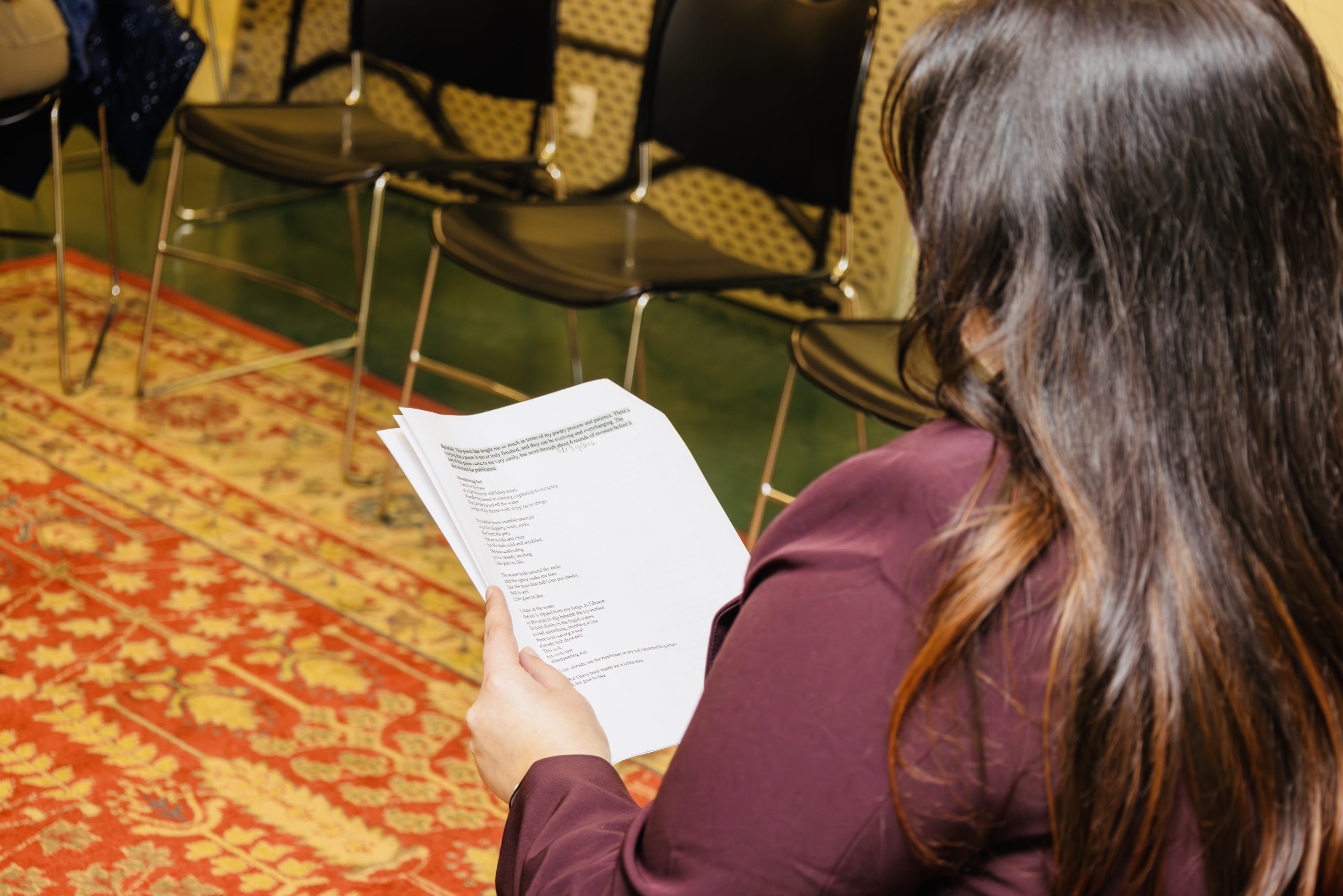
During Thursday’s event, Roy read several poems with themes that frequently appear in her work—particularly nature and personal reflection.
One poem, titled “Vindicta,” reflects on the death of her grandmother and the childhood memories they shared in the garden behind her mother’s childhood home. In the poem, Roy recalls her grandmother’s warning that plucking flowers is like “pulling the hair of Mother Earth,” and she vows never to do it again. After her grandmother’s death, the poem takes a darker turn as the speaker angrily tears flowers from the ground.
“Today I can’t help myself,
I pulled peonies and pansies,
I ripped rhododendrons from ground,
Tore tulips and tiger lilies because mother earth had broken her promise.”
Another poem she shared, “Messy Roots,” also draws on imagery of gardening, using tangled roots and thorny stems as metaphors for confronting difficult emotions.
“As I rake through my regrets,
Prune and parse what I can of my pride,
And my happiness catches on the wicked
Thorny tips of my own
Distrust.
And still,
I am not strong enough for these
Stubborn stems.”
Nature appears frequently in Roy’s writing, but she said she is equally drawn to the technical challenge of poetry. The careful placement of words, punctuation and line breaks becomes something of a puzzle during the writing process, with each decision shaping how the poem sounds when spoken aloud.
“That’s one of the fun puzzles of poetry,” Roy said, explaining that even something as small as choosing between a period and a line break can change the rhythm and meaning of a piece.
Despite having work published in literary magazines including “The Bridge Literary Magazine” and “Red Skies Literary Magazine,” Roy admitted that self-doubt still plays a role in her creative process. Like many writers, she sometimes struggles with imposter syndrome — the feeling that she isn’t truly qualified to call herself a writer even after years of writing and publication.
At the same time, she hopes the poet laureate role will push her to write more consistently.
“If you’re going to encourage people to write and try something out,” she said, “you have to do it too.”
A natural choice
Members of the North Attleborough Cultural Council who attended Thursday’s event said Roy’s enthusiasm for literature and community engagement made her a natural choice for the town’s first poet laureate.
Kali DiMarco noted that the group wanted someone who could help elevate creative arts in town, while also making poetry approachable for residents who may not have much experience with it.
Her husband — and Cultural Council President Ralph DiMarco — said Roy stood out not only for her writing, but for the ideas she brought forward about how the role could grow.
“Her writing stood out, but so did her personality, and her ideas she brought forward with a positive, gung-ho attitude,” said Ralph DiMarco.
To Roy, poetry is not confined to old books or classroom assignments. Instead, she believes poetry is something people encounter more often than they realize.
“Poetry exists in our world even when we’re not necessarily looking for it,” she said.