

By Geena Monahan—For the North Star Reporter
When North Attleborough officials launched an opioid grant program last summer using settlement funds from opioid manufacturers and distributors, they hoped it would remove barriers to recovery.
One year later, early results suggest it’s working.
Of the 14 North Attleborough residents who received housing assistance through the town’s inaugural Opioid Impact Grant program, 13 remain sober and 12 are employed, according to town officials. The program also funded local sober homes and community organizations supporting residents recovering from opioid use disorder.
Now in its second year, the program reopened to applicants July 1, offering grants to residents, nonprofits, sober homes and treatment centers that serve North Attleborough residents. Individual applicants may receive grants of up to $3,125, while nonprofits, sober homes and treatment centers serving North Attleborough residents may receive up to $6,250.
“I love the personal impact on people, particularly when it’s something that can help with recovery,” Public Health Nurse Anne Marie Fleming said. “If you improve individuals, you improve the community as a whole.”
Before launching the grant program, Human Services Coordinator Stephen Berdos wanted to understand what people in recovery needed most. He met with residents at local sober homes, held a public forum and conducted a community survey to identify gaps in services. One issue surfaced repeatedly — the high cost of stable housing.
“One persistent barrier was housing costs. I’m happy that the grant program has been able to provide people the financial assistance they need to pursue safe, reliable sober living and recover from opioid use disorder,” Berdos said.
Roughly $46,000 was distributed during the program’s first year, with most of the funding helping residents move into sober housing, remain in sober homes or transition into their own apartments.
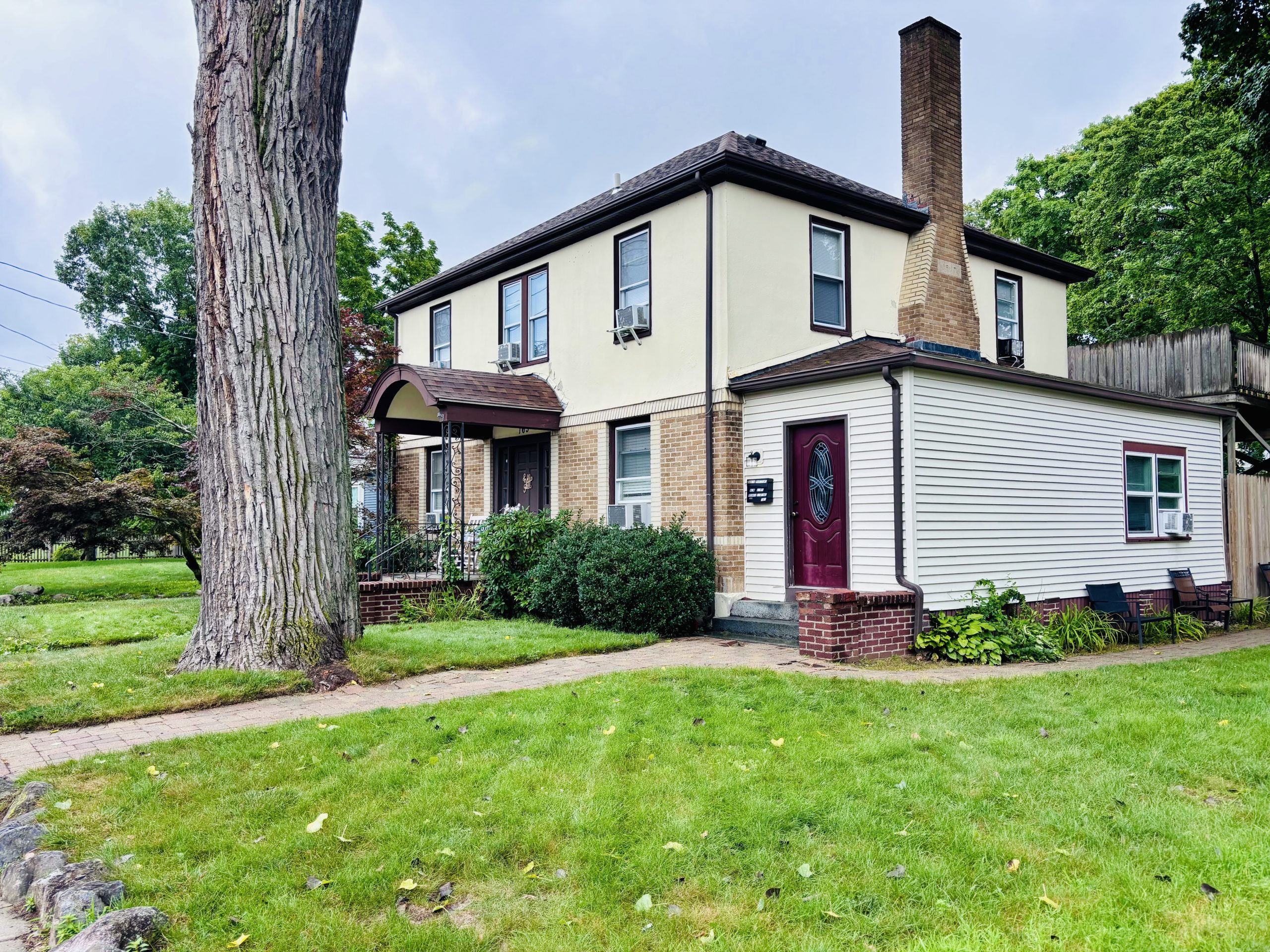
The program also strengthened the community’s recovery network by investing in the organizations that support those residents. New Life Sober Living in North Attleborough used its grant to replace a leaking roof that had caused water damage and mold, while Grit & Grace Sober Home for Women in Attleboro installed emergency lighting, an emergency generator and repaired damaged tile flooring that posed a safety hazard.
The St. Vincent de Paul Reentry Program used its funding to help people released from the Bristol County House of Correction secure sober housing, purchase groceries and pay for transportation as they transitioned back into the community.
“If people don’t have a safe, reliable place to live, their recovery trajectory is really impacted,” Berdos said. “If people have to live in their car or couch surf, the odds of maintaining sobriety diminish.”
Building stability
The grants have supported residents at different stages of recovery, from helping them remain in sober homes to transitioning into independent living.
One woman used grant funding to move from Grit & Grace Sober Home for Women into her own apartment after becoming pregnant. More than a year later, she has maintained her sobriety, continues to work full-time and is financially independent while raising a healthy baby.
Another resident received assistance repairing her vehicle so she could continue commuting to work, along with funding to purchase a bed after sleeping on the floor of her apartment. Town officials said she has remained sober, her vehicle continues to run well and she is financially independent.
Berdos also shared the story of a North Attleborough man who used the funding to continue his recovery. He said the man was working full-time while helping to pay for an apartment for his girlfriend and daughter, but could not afford to remain in a sober home without assistance.
“The grant funding was able to pay for 14 weeks’ worth of rent at the sober home for him. I’ve been checking in with the manager, and he’s doing really well,” Berdos said. “He’s saving money, going to meetings and fulfilling the requirements at the sober home. He’s someone the grant funding really supported.”
David Freitas, manager of New Life Sober Living, said the investment recognizes the important role recovery housing plays in long-term success.
“One thing the town has done particularly well is recognizing that recovery housing plays a vital role in the continuum of care,” Freitas said. “By working with sober homes and supporting initiatives that help residents maintain stable housing while rebuilding their lives, the town is directly contributing to long-term recovery outcomes.”
Last year, officials relied primarily on referrals from sober homes, schools and community partners, rather than broad public outreach. This year, the town expanded its promotion and received 12 applications before the end of July.
The first year also led to one change. Berdos said employment had always been expected of individual applicants, but now the requirement is spelled out in the program guidelines.
“We learned early on that the requirement needed to be put in writing,” he said. “This grant was meant for someone who has a little momentum with their sobriety and is financially independent but just needs a little extra help.”
Berdos said he believes the program has proven its value and hopes it can continue for years to come.
“I think we’re in a good position to be able to fund the grant program for a few more years,” he said. “It’s been very successful so far.”