

By Geena Monahan—For the North Star Reporter
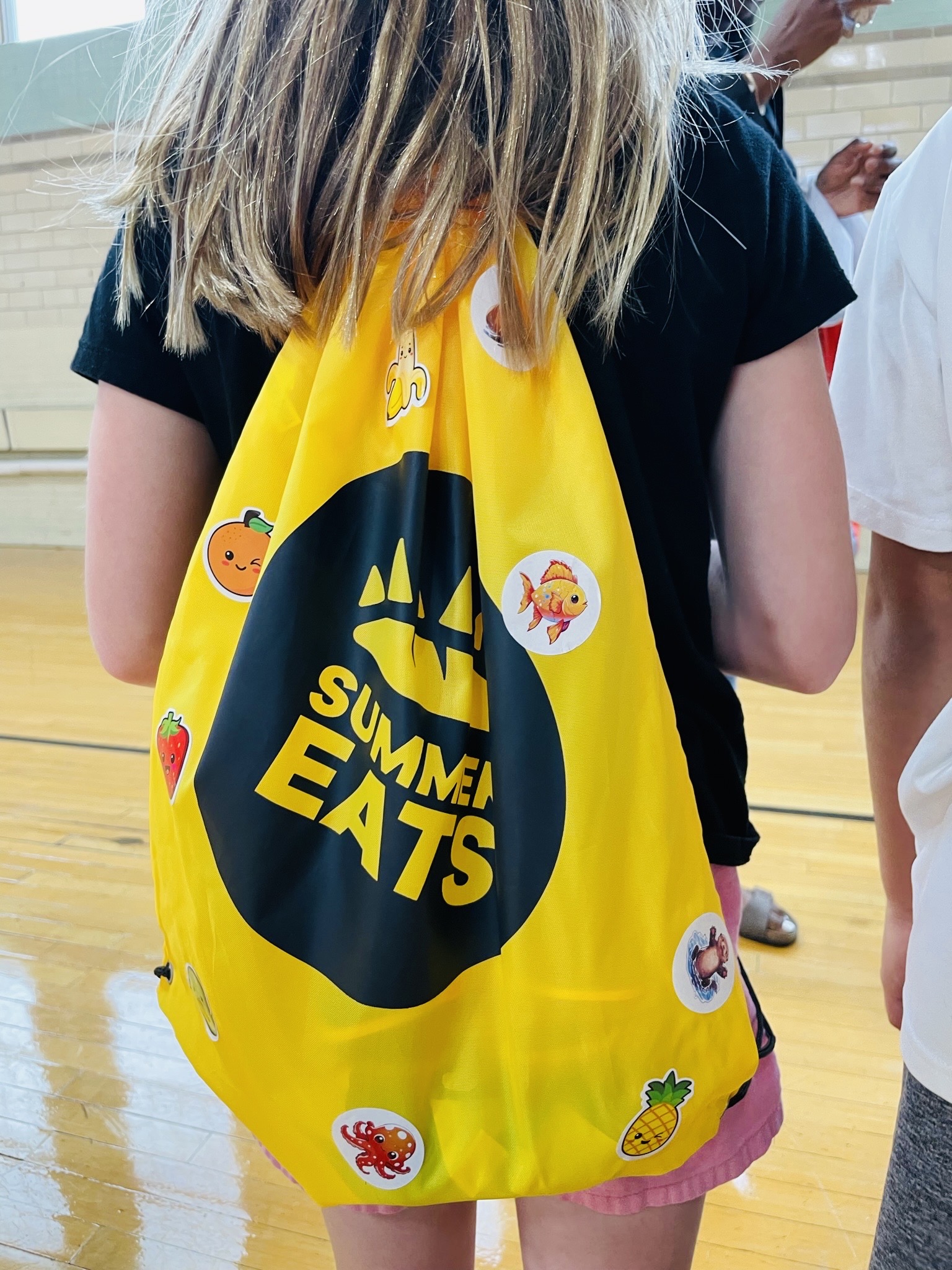
Children visiting North Attleborough’s Summer Eats program this summer aren’t just stopping by for breakfast or lunch — They’re planting gardens, making crafts and trying new foods as a free meal program is transformed into a welcoming community gathering place.
Now in its seventh summer, the district’s Summer Eats program is averaging about 46 more meals per day than at this point last summer. The program operates out of Community Elementary School.
“It’s about enjoying the time, not just serving the meals,” said Heather Baril, director of school nutrition for North Attleborough Public Schools.
Summer Eats is funded by the Massachusetts Department of Elementary and Secondary Education (DESE) in partnership with Project Bread. The statewide program provides free meals to children and teens 18 and younger during the summer months, with no registration or identification required, helping bridge the gap when school cafeterias close for the summer.
Families can visit any Summer Eats site across Massachusetts, regardless of where they live.
North Attleborough launched its Summer Eats program in 2019 after Community Elementary qualified as an eligible site based on state criteria. Since then, locations have shifted around town, depending on school construction projects and census data used to determine site eligibility.
Breakfast is available from 9:30 to 10 a.m. Monday through Friday; lunch from noon to 1 p.m. Monday through Thursday and from 11:35 a.m. to 12:35 p.m. on Fridays. The district has also expanded the program to serve children participating in Parks & Recreation programs and academic summer school.
From meal site to summer destination
Baril credits much of the program’s growth to Summer Eats Supervisor Shannon Hillman, who has focused on turning it from a place to eat into an engaging summer destination.
One of the biggest additions has been an annual kickoff event. This year’s celebration featured a live animal experience, drawing dozens of families while introducing them to Summer Eats.
“I think it brings them in the door, not just for a meal, but for an experience,” Hillman said. “It gives them a safe environment that’s friendly and familiar.”
The program also features themed activity weeks, gardening projects and hands-on crafts, funded through grants from Project Bread and DESE.
Children can participate in activities tied Shark Week, plant seeds to take home, learn about edible flowers grown in hydroponic tower gardens and enter weekly raffles for prizes ranging from reusable tumblers to grocery and Amazon gift cards.
Program organizers use annual surveys to shape each summer’s offerings.
“Last year we found that kids wanted to make bead jewelry,” Hillman said. “They wanted trivia, so we were able to add that to the program.”
Baril said the added programming gives families a reason to stay and connect while they eat, while helping the district meet requirements that meals be eaten on site.
The meals themselves have also become an opportunity to introduce children to new foods. The nutrition department prepares homemade breakfast sandwiches, granola energy balls and pico de gallo while serving restaurant-style burgers, fresh salads and a self-serve cart stocked with seasonal fruits and vegetables.
This summer, staff are also using the program to test potential menu items for the upcoming school year, including soft shell tacos.
“Everything is reviewed nutritionally,” Baril said. “We have to follow nutritional guidelines with lean proteins, whole grains and milk to make sure we’re meeting all the requirements.”
Baril praised the district’s summer nutrition staff, many of whom spend part of their school vacation preparing and serving meals.
“They’re extremely dedicated, extremely hardworking, and they truly love these kids and love serving them these homemade meals,” Baril said.
Removing barriers and building community
Despite growing participation, Hillman said transportation remains one of the biggest challenges for some families. The district hopes to expand to additional meal sites in future summers to improve accessibility.
“During the school year, the kids are already at school,” she said. “If a parent is working and can’t get children to meal sites during the summer, that can be a hurdle.”
Hillman also believes attitudes toward free meal programs have changed in recent years.
“I feel like the stigma has gone away since COVID, which is great,” she said.
To help reach more families, the district sent flyers home with every student before the end of the school year, posted lawn signs throughout town and looks for other ways to spread the word.
Baril hopes families who have never attended will stop by, whether for a meal, a themed activity or simply to see the program firsthand.
“We’re so welcoming and treat everyone the same,” Baril said. “It’s a very fun place to be, so there’s no stigma. Everyone comes to have a good time.”