

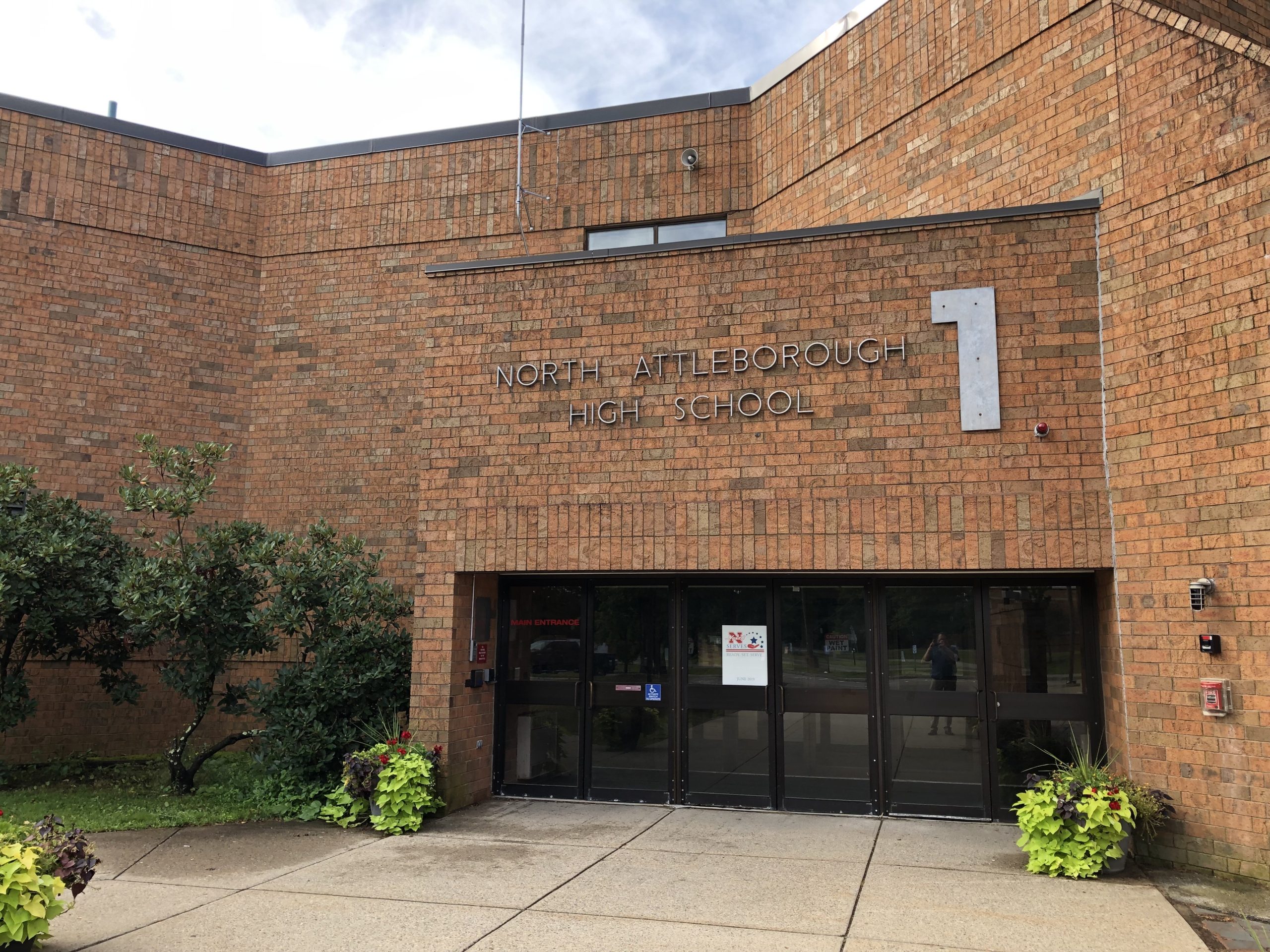
By Geena Monahan—For the North Star Reporter
North Attleborough school leaders are proposing a major change to the academic calendar that would introduce regular early-release days for students beginning next year.
Officials say this shift is necessary to give teachers the time and support required to meet the district’s growing academic expectations.
Superintendent John Antonucci and Assistant Superintendent Peter Haviland unveiled the proposal at the Tuesday, Dec. 9, School Committee meeting, calling the plan a natural extension of the district’s strategic goals and the community’s ongoing investment in education, shown most recently in the vote to build a new high school.
“We need to find a new way to make sure teachers have what they need,” said Haviland. “What gets in the way of realizing the fullest potential of a strategic plan is teachers not having enough time to work on their practice.”
A calendar with exact dates won’t be ready until early next year, but Haviland said a mock version has been drafted that includes about eight early-release days per school year – roughly one per month – in addition to four full professional development days already built in.
The goal, Haviland said, is to create “rhythm and consistency” in professional learning, allowing teachers to apply strategies, review data and adjust instruction more regularly. Having only four full days separated by long stretches of time, he added, limits meaningful progress.
“High-functioning systems already do this,” said Haviland, referencing a recent district survey that showed 61 out of 64 Massachusetts schools contacted already use recurring early-release days for professional development.
“We are the outlier,” added Antonucci, citing Newton’s weekly model as an example. “This plan is right for North kids.”
Potential impacts
Administrators acknowledged the potential strain the change could put on families – especially those with young children in need of child care. Haviland said that the district plans on collaborating with community organizations to provide options and support.
The benefit, he emphasized, is that additional professional development time will boost coherence and instructional quality, from preschool through high school.
“When students return, they return to a higher level of education,” said Haviland. “Instruction becomes more engaging and students feel more successful.”
School Committee member Gideon Gaudette questioned the timing of reducing instructional hours while schools are still working to recover from learning lost during the COVID-19 pandemic.
“We’ve been complaining for five years that because of the pandemic, we are still making up that learning, and now your plan is to take them out of school more?” asked Gaudette.
School Committee Chair Tasha Buzzell also asked administrators to closely examine how the change would affect students on individualized education plans. Those students make up roughly one-quarter of the district. Concerns over early childhood impacts were also raised, such as with preschoolers who may be sensitive to schedule changes.
Haviland’s response remained consistent – improving teacher practice ultimately benefits students, more than a few hours of missed class time each month would negatively affect them.
Support and next steps
Several principles in attendance also spoke strongly of the proposal.
“We need this,” said Roosevelt Avenue Elementary School Principal Jeannine Magliocco. “We don’t have the consistent, sustained time during the school day for teachers to consolidate their learning. Teachers – especially at the elementary level – want this very badly.”
High School Principal Thomas Rizzo likened the proposal to everyday upkeep.
“Going to the dentist every few years isn’t effective if you’re not brushing your teeth every day,” said Rizzo. “It’s hard to sustain growth without ongoing opportunities.”
Antonucci and Haviland asked the committee for its support as the proposal heads to the Policies Subcommittee in January for a more detailed review. If endorsed, the administration would build the 2026-27 school year calendar around the model and bring a final version to the committee in February for a vote.
“We realize it’s a significant change and approach,” said Haviland. “We owe it to families and the kids to prepare our teachers so they can deliver that vision.”