
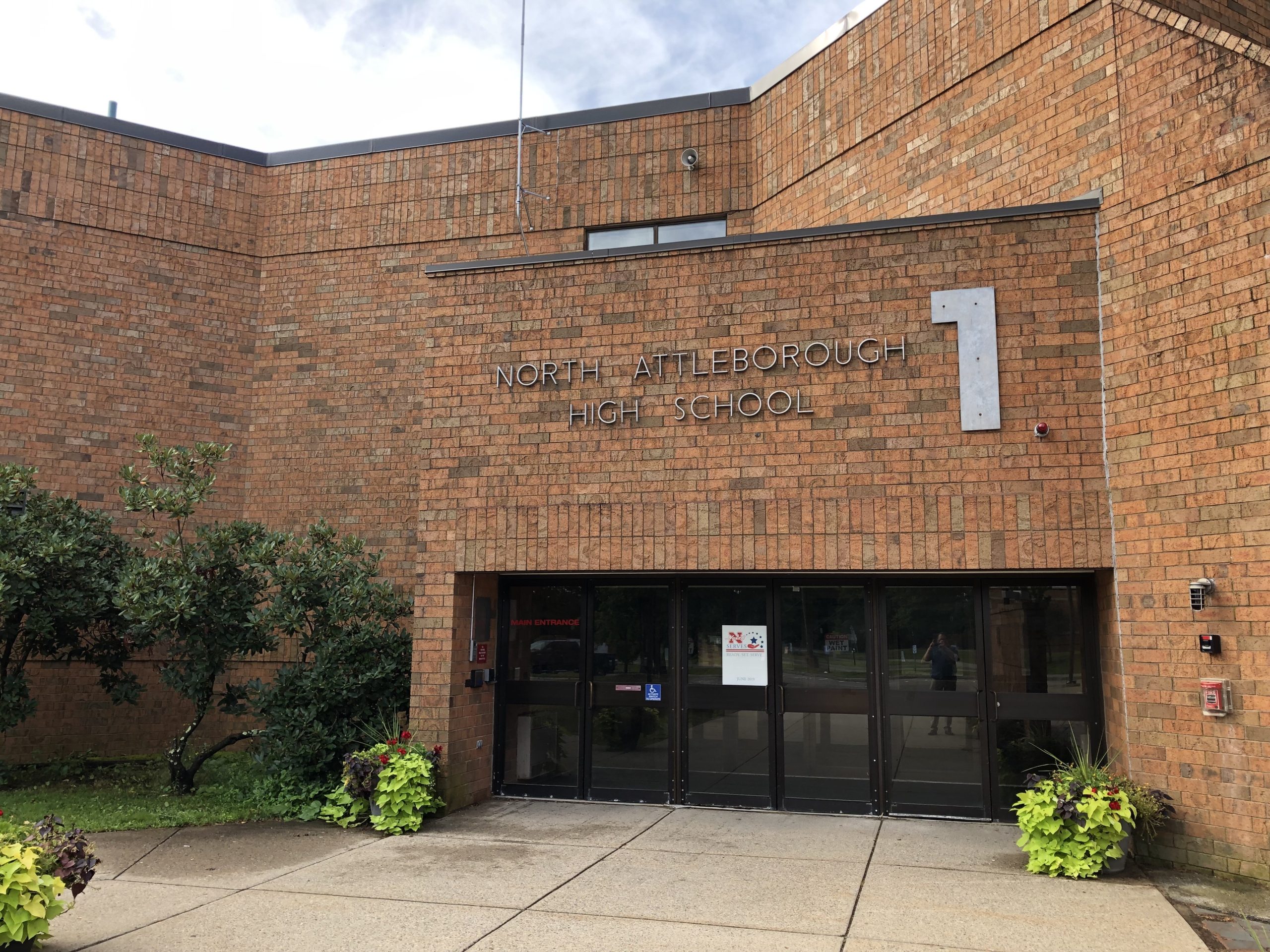
By Geena Monahan—For the North Star Reporter
Chronic absenteeism has become a top priority for North Attleborough High School, as administrators work to reverse trends showing a significant number of students missing weeks of school each year.
NAHS Principal Thomas Rizzo outlined the issue during the Dec. 9 School Committee meeting, where he presented this academic year’s Secondary School Improvement Plan.
“The improvement plan is a joint effort between administration and the school council, which consists of students, parents and staff members, “ said Rizzo. “It focuses on bringing together the district’s strategic plan and the superintendent’s goal and have that filter down into the schools.”
At the high school level, Rizzo said a top goal is approving attendance.
“We talked a lot about chronically absent students, so we want to be pretty purposeful about how to improve that and our attendance with students, especially those who seem to be missing a high number of days,” he said.
Rizzo described absenteeism as a complex, multifaceted issue, with students missing school for a wide range of reasons. This includes illness, mental health concerns, school avoidance and family obligations. While some factors are beyond the school’s control, he said the focus is on using data to identify where they can make a difference.
“While we cannot prevent students from getting sick, we can potentially impact a student’s feelings about coming to school and the support in place when they are here,” said Rizzo. “Positive reinforcement, relationship-building through connections with staff and other students, and consistent rituals between staff and students all reinforce a supportive, welcoming and safe environment.”
A look at the numbers
According to the Massachusetts Department of Elementary and Secondary Education’s 2024-25 school year report, NAHS’ overall attendance rate was 92.4% for all high school students, meaning students attended nearly 93 out of every 100 school days.
While that rate is near the state average of 93.2%, the school’s chronic absentee rate, defined as the percentage of students missing 10% or more of the school year, was 21.6%, above the statewide rate of 18.8%.
Put simply, more than one in five NAHS students missed roughly a month or more of school.
The average student absence for the year was 13.1 days, and 44.2% of students were absent for 10 or more days.
When compared with neighboring communities, NAHS attendance trends show room for improvement.
Mansfield High School reported the highest attendance rate, at about 95.1%, with just 10.7% of students classified as chronically absent – well below both the state average and North Attleborough’s rate. King Phillip Regional High School also posted strong numbers, with a 93.5% attendance rate and 16.4% of students chronically absent.
Attleboro High School most closely mirrored North Attleborough’s figures, reporting a 92.8% attendance rate and a 21.3% chronic absenteeism rate.
DESE data also revealed disparities within the NAHS student population, with certain groups more likely to be chronically absent. High-need students had an attendance rate of 88.6%, with 33.4% classified as chronically absent. Students with disabilities attended 87.9% of school days, with 33.1% chronically absent. Low-income students showed the greatest need for intervention – attending at a rate of 87.2%, with 38.3% chronically absent.
Addressing those disparities, said Rizzo, will require both in-school support and broader family and community engagement. He emphasized the importance of educating families about the long-term impact of persistent absenteeism, as well as increasing awareness of services already available through school offices such as nursing, counseling, advising and career services.
“It is also important to explain to families that the state does not differentiate between excused and unexcused absences,” said Rizzo. “Whether a student is a truant, on vacation, or hospitalized for an extended period, the student is still recognized as absent by the state.”
Looking ahead
Rizzo acknowledged that attendance challenges have intensified statewide since the COVID-19 pandemic, when extended periods of remote learning disrupted long-standing attendance routines. He said digital tools introduced during that time, while valuable, may have unintentionally contributed to the perception that physical attendance is less important.
“Nothing can match the impact of a teacher who can personalize a lesson, demonstrate care and empathy, and advocate for a student when they are struggling,” said Rizzo.
According to a 2023 DESE report on statewide chronic absenteeism trends, students who were chronically absent in 10th grade had a significantly lower graduation rate – 62% compared with 93% for students who were not chronically absent. Additionally, more than half of students who drop out were chronically absent in the three years prior.
To address both absenteeism and its long-term consequences, NAHS plans to move away from isolated interventions and toward a more coordinated, school-wide approach. The improvement plan calls for implementing positive routines among staff and reviewing practices, such as the school’s credit loss policy.
A focus on the transition from eighth grade to high school was also noted, with plans to increase alignment between the two schools to create a more consistent four-year student experience. Proposed initiatives include the creation of the principal’s advisory council to improve communication and feedback with parents and the broader community.
For students facing more persistent attendance challenges, Rizzo said the school plans to connect families with district and community resources to address nonacademic barriers, including transportation issues, child care needs, and food or housing insecurity. These efforts would be supported through personalized re-engagement plans designed to identify specific obstacles and provide targeted support.
“While we can’t control every reason a student may be absent, we can control the environment we create when they are here,” said Rizzo. “That’s where we believe meaningful improvement begins.”